2 hr 30 min
Colosseum, Palatine Hill & Roman Forum Guided Tour
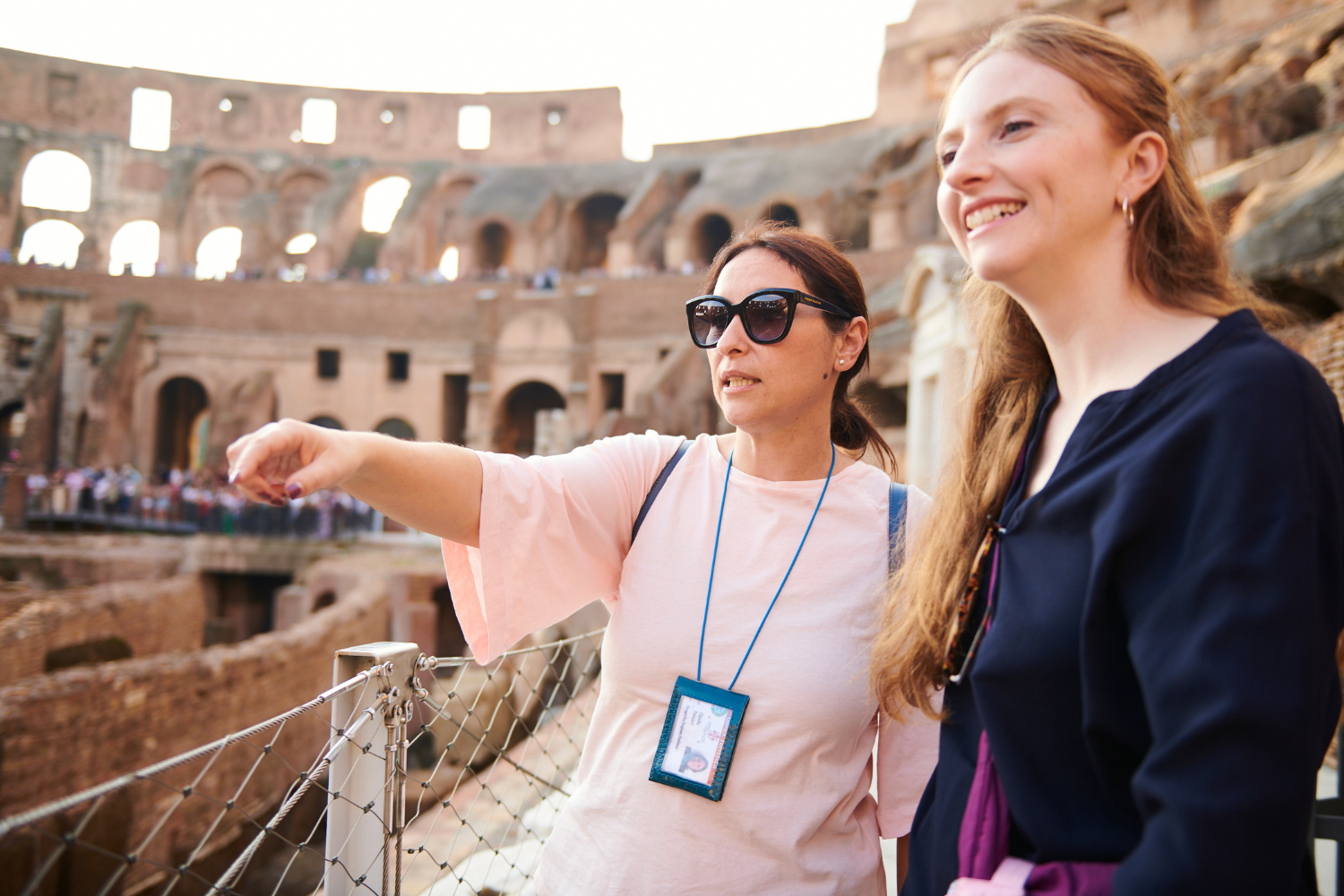
- Expert local guide
- Small group
- Skip-the-line access
- Free cancellation
Colosseum Underground Tickets — Hypogeum & Arena Floor Access
Beneath the sand, the machinery waited, above it, Rome roared.
Compare fares, pick the fit — all bookings are mobile-voucher and eligible for free cancellation where shown.
2 hr 30 min
3 hr
3 hr
Choosing among Colosseum Underground Tickets starts with matching your priorities to the right access level, since Standard, Full Experience Arena, Full Experience Underground & Arena, and Full Experience Attic each unlock different zones of the monument. This matrix compares the official tiers so first-timers booking a Rome Colosseum tour can pick confidently.
| Standard 24h (Levels 1-2 only) | Full Experience Arena (Arena Floor) |
Top pick Full Experience Underground & Arena (Hypogeum + Arena) |
Full Experience Attic (Panoramic Lift) | |
|---|---|---|---|---|
| Areas included | Levels 1-2, Forum, Palatine Hill | Arena floor, Levels 1-2, Forum, Palatine Hill | Hypogeum, Arena floor, Levels 1-2, Forum, Palatine Hill | 4th-5th levels, Levels 1-2, Forum, Palatine Hill |
| Guide required | — | — | — | — |
| Booking lead time/availability | Up to 30 days ahead, widely available | Released 7 days ahead, sells out fast | Released 30 days ahead, sells out in seconds | Capped slots, sells out quickly |
| Best for | Budget-conscious first-timers | Visitors wanting gladiator-level views | Roman engineering enthusiasts, deepest access | Photographers, crowd-averse visitors |
| Wheelchair access | Step-free main route | Limited, arena floor uneven | Restricted, underground stairs uneven | Panoramic lift assists upper levels |
| See tickets & prices |
Verdict: First-time visitors chasing the fullest Colosseum underground tour experience should target the Full Experience Underground & Arena ticket, while those wanting a simpler skip-the-line Colosseum tour can rely on the Standard 24h option.
Worth it for repeat visitors and history buffs
Colosseum Underground Tickets cost 24 EUR (Full Experience Underground and Arena ticket, adult, plus 2 EUR booking fee), and the honest question is what that premium buys over a standard entry. The answer is access, not extras: the hypogeum is a restricted zone you cannot enter alone, so every visit runs as a small guided group down 40 steps into the substructures where the lift shafts, animal cages and brick service corridors sit largely as Roman engineers left them. Sotterranei del Colosseo tours put you at eye level with masonry most visitors only see from the railing above. That trade favours anyone who already knows the amphitheatre's outline and wants the machinery underneath it. Travellers doing Rome landmarks in a single compressed day, or anyone chiefly after the arena-floor view, will find the cheaper tiers deliver most of the photographic payoff for less money.
Bottom line: If the engineering under the arena is what draws you to Rome, the Colosseum Underground Tickets tour justifies its premium; if you mainly want the view across the arena, save the difference and take a cheaper tier.
Hand-picked experiences loved by thousands of travelers
1 - 2.5 hours
Free Cancellation
Walk the Colosseum Arena, roam Palatine Hill, and explore the Roman Forum with an expert guide.
2 - 3 hours
Step where gladiators fought, then wander the ancient Roman Forum with an expert local guide.
1.5 - 3 hours
Skip the line into the Colosseum, then explore the Forum and Palatine Hill with a guide.
2.5 hours
Free Cancellation
Step into the arena of gladiators, then wander the Forum and Palatine Hill with a licensed local guide.
3 hours
Free Cancellation
Step onto the Colosseum's arena floor through the Gladiator's Gate, then explore the Roman Forum with an expert guide.
2.5 hours
Free Cancellation
Walk the Colosseum's arena floor and explore the Roman Forum with an expert guide, capped at 12 guests.
3 hours
Free Cancellation
Go beneath the Colosseum's arena floor and into the Roman Forum with a private guide, all in one immersive morning or afternoon.
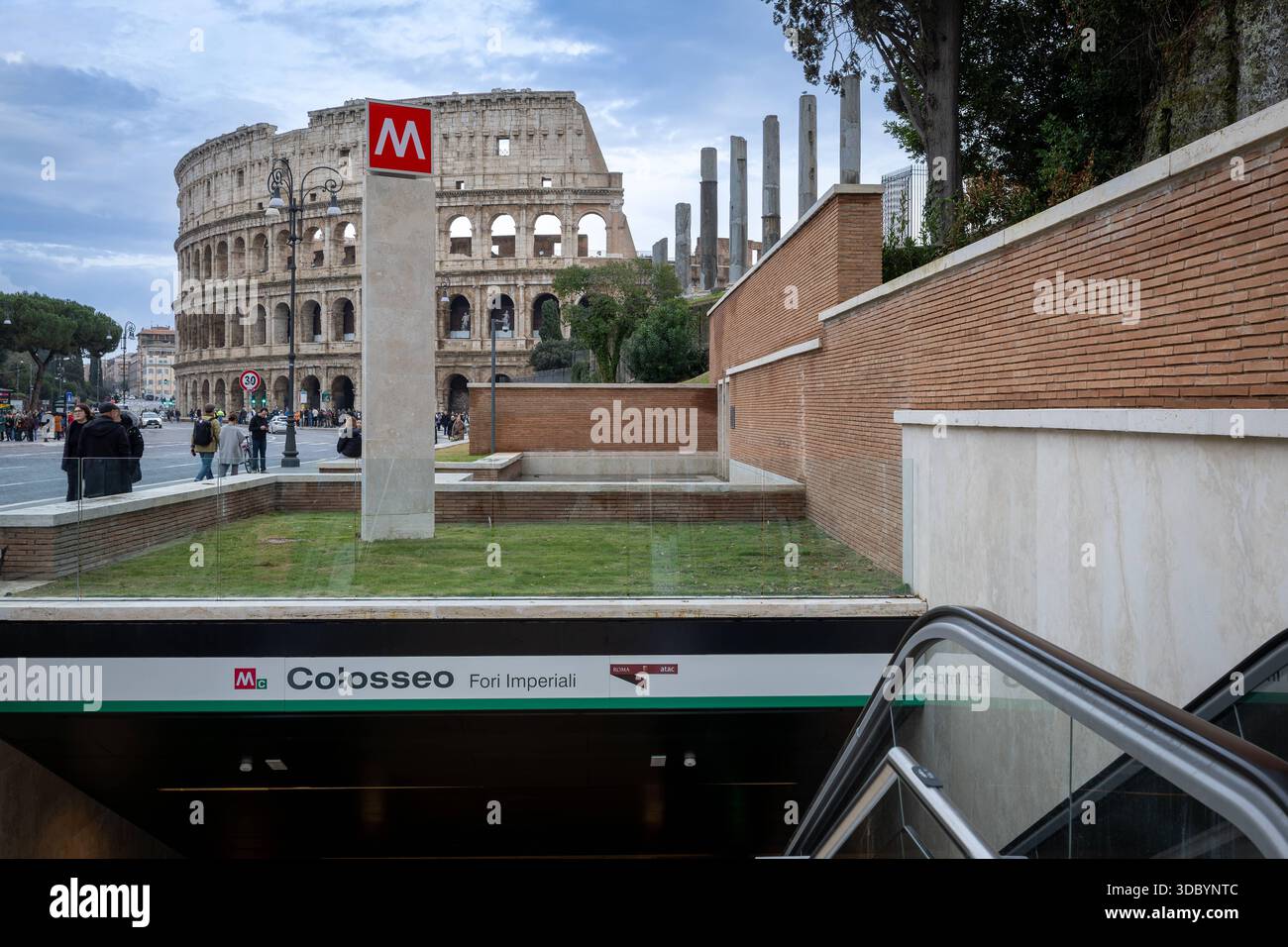
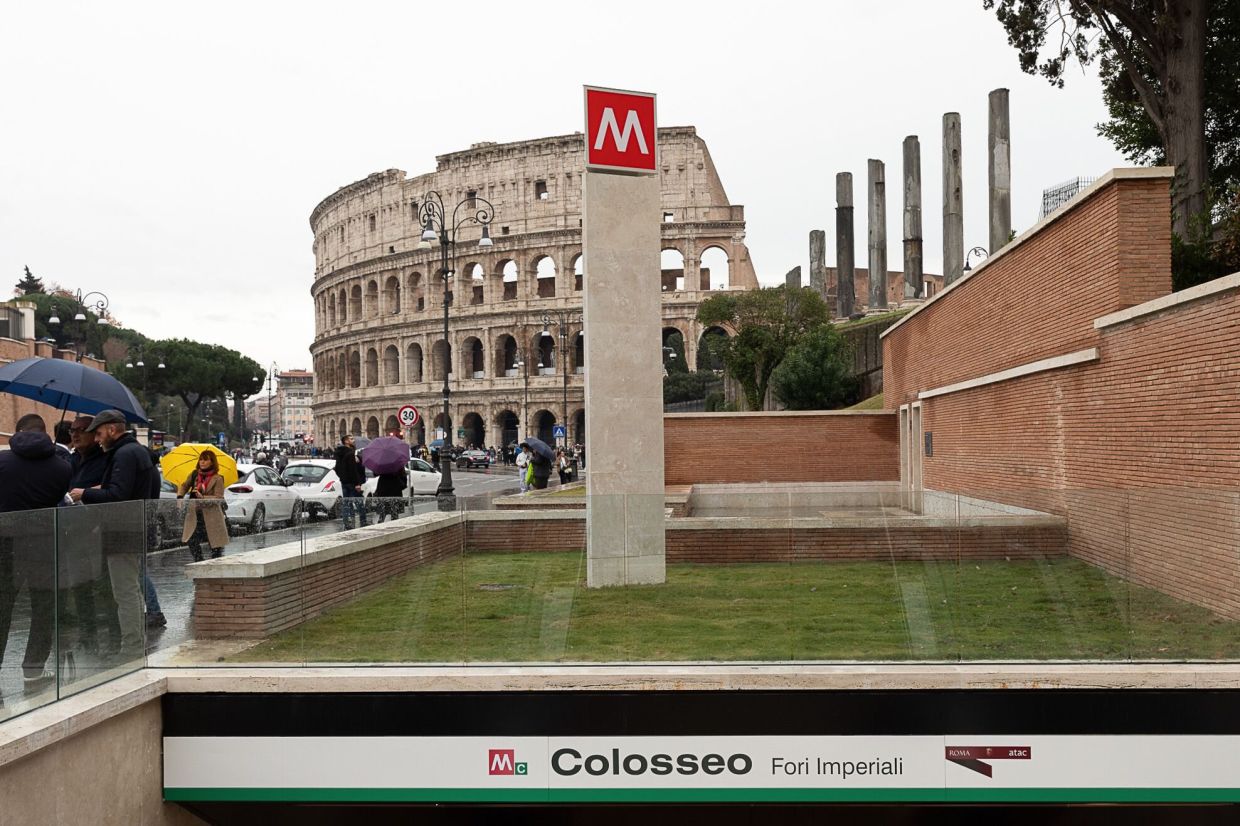
Meet your guide near the Colosseo metro stop and pass through the dedicated security screening before entering.
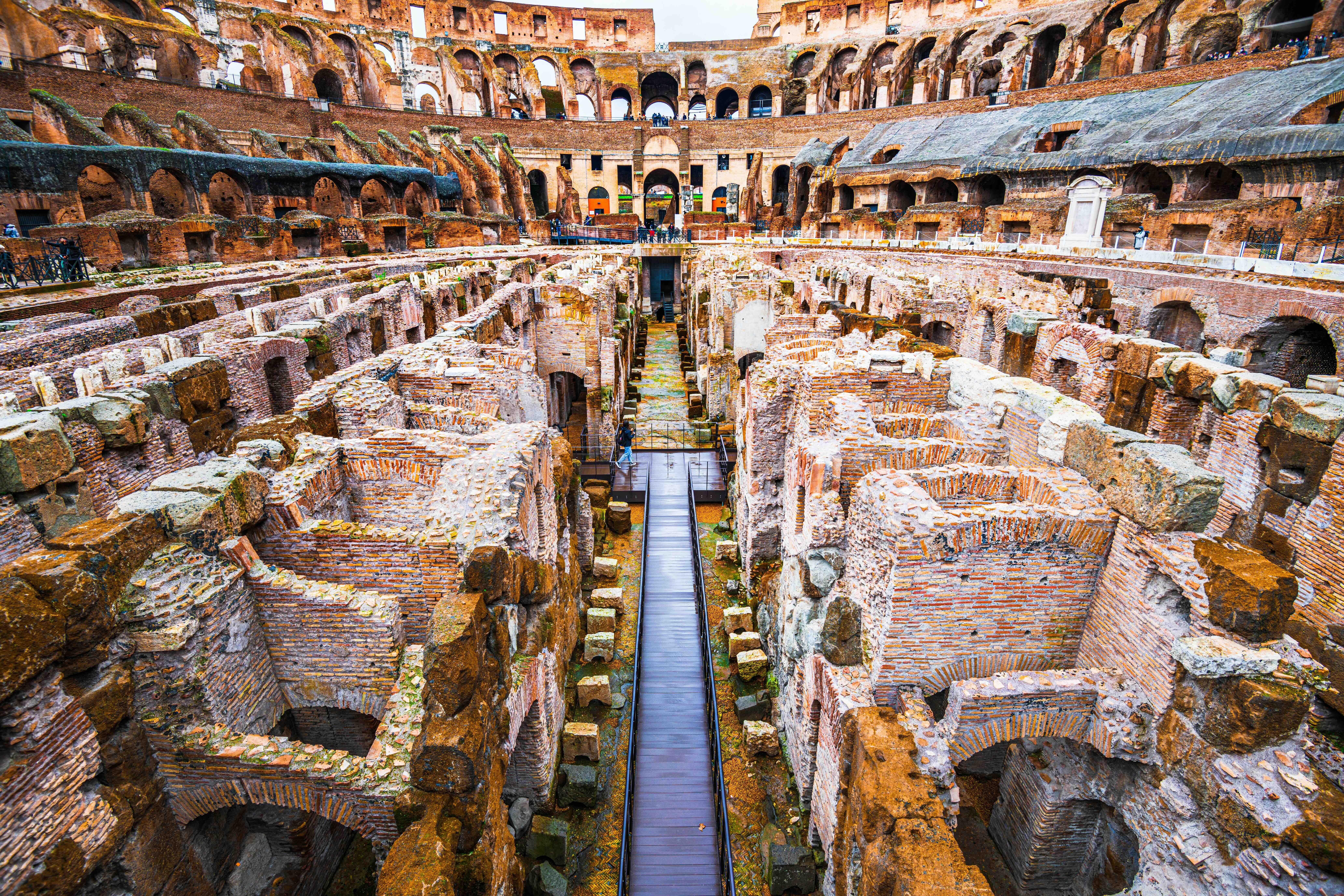
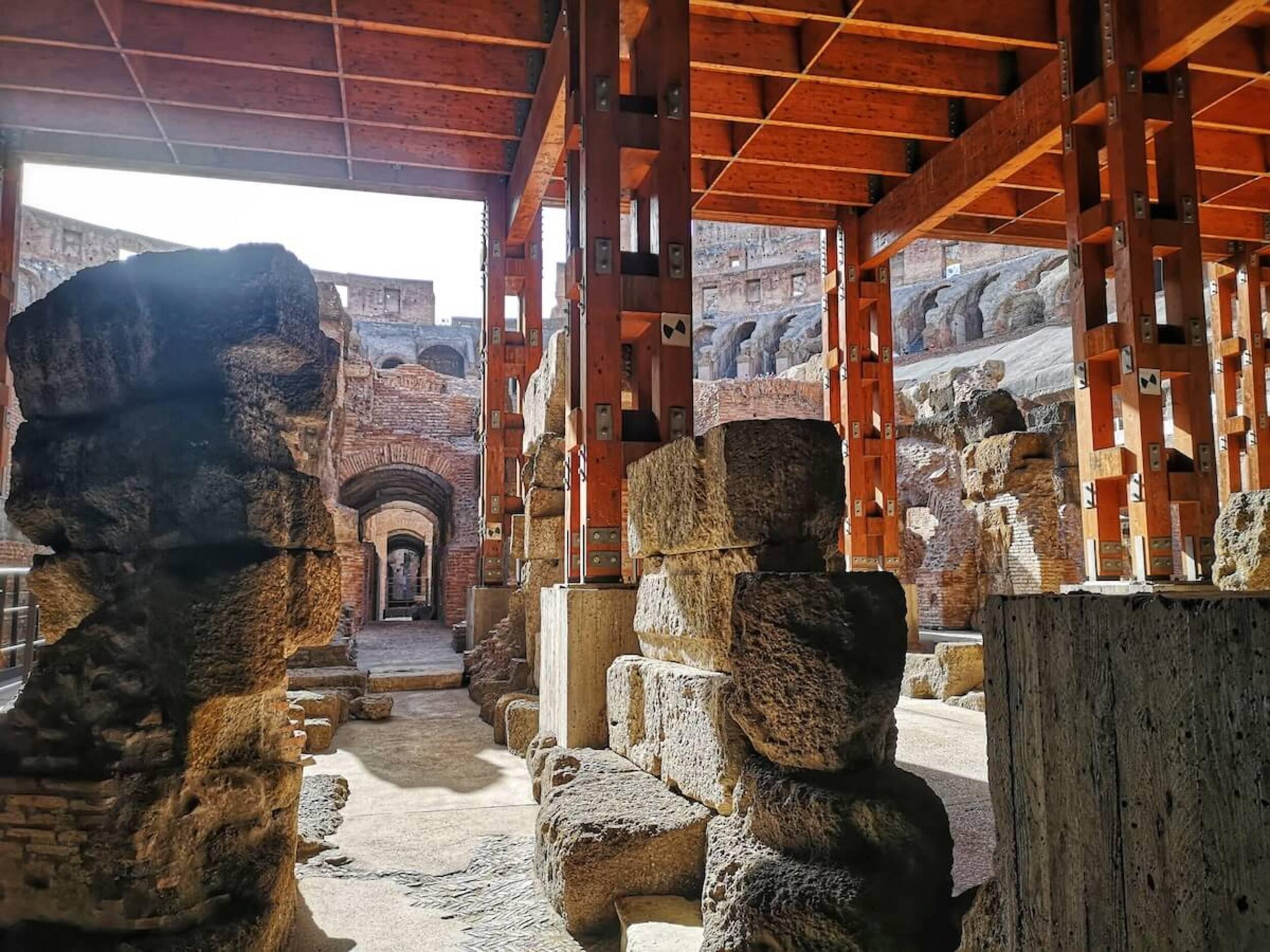
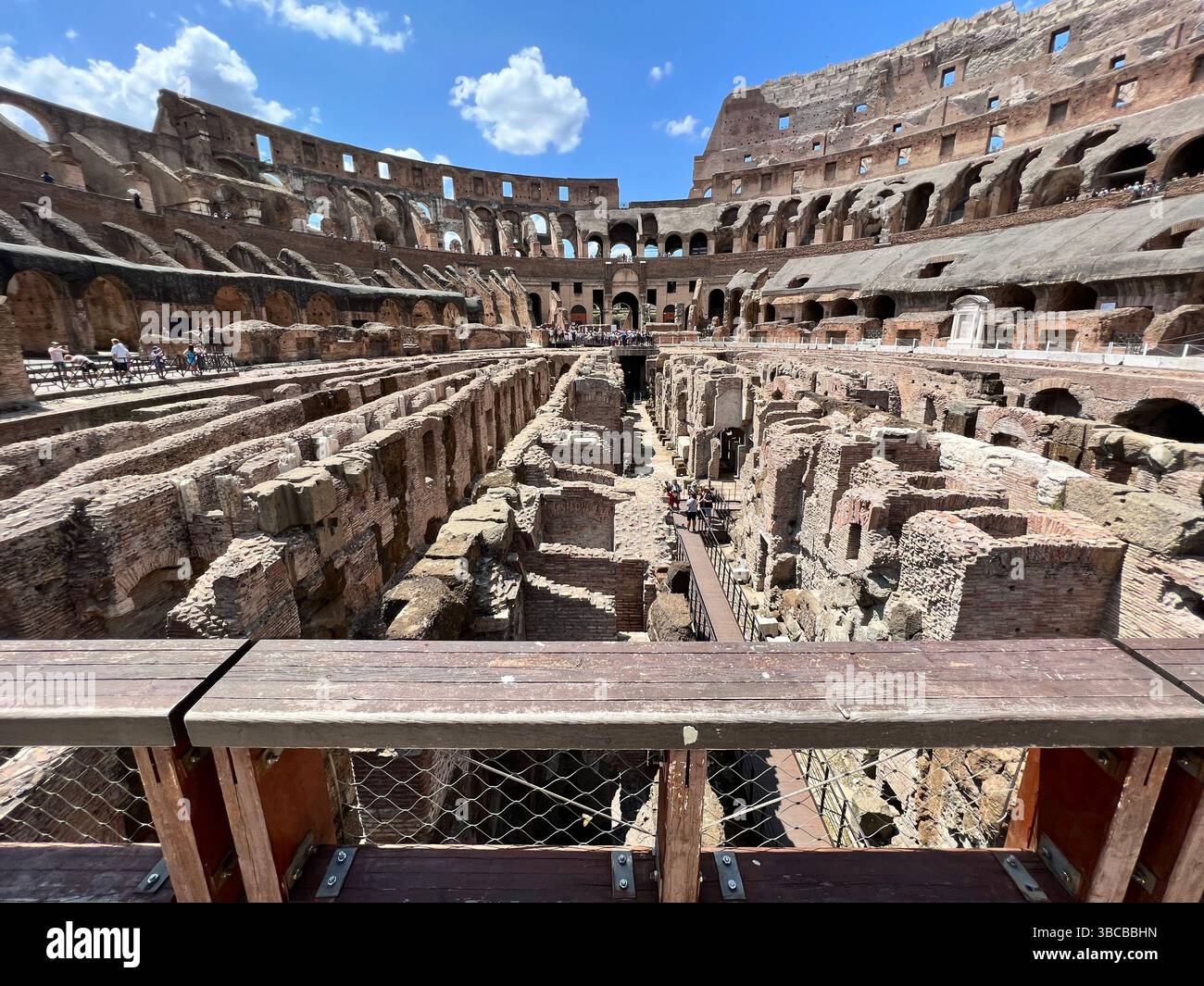
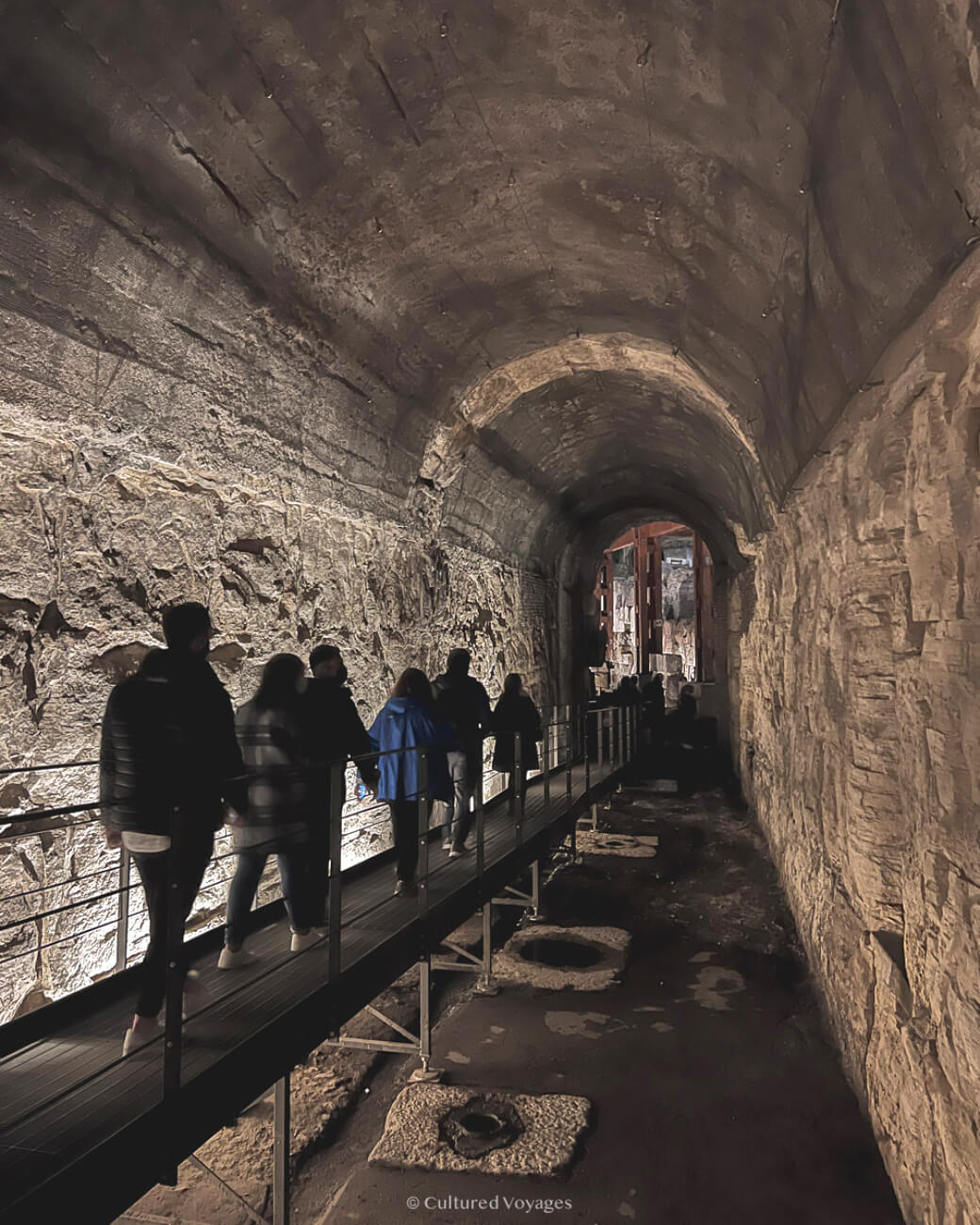
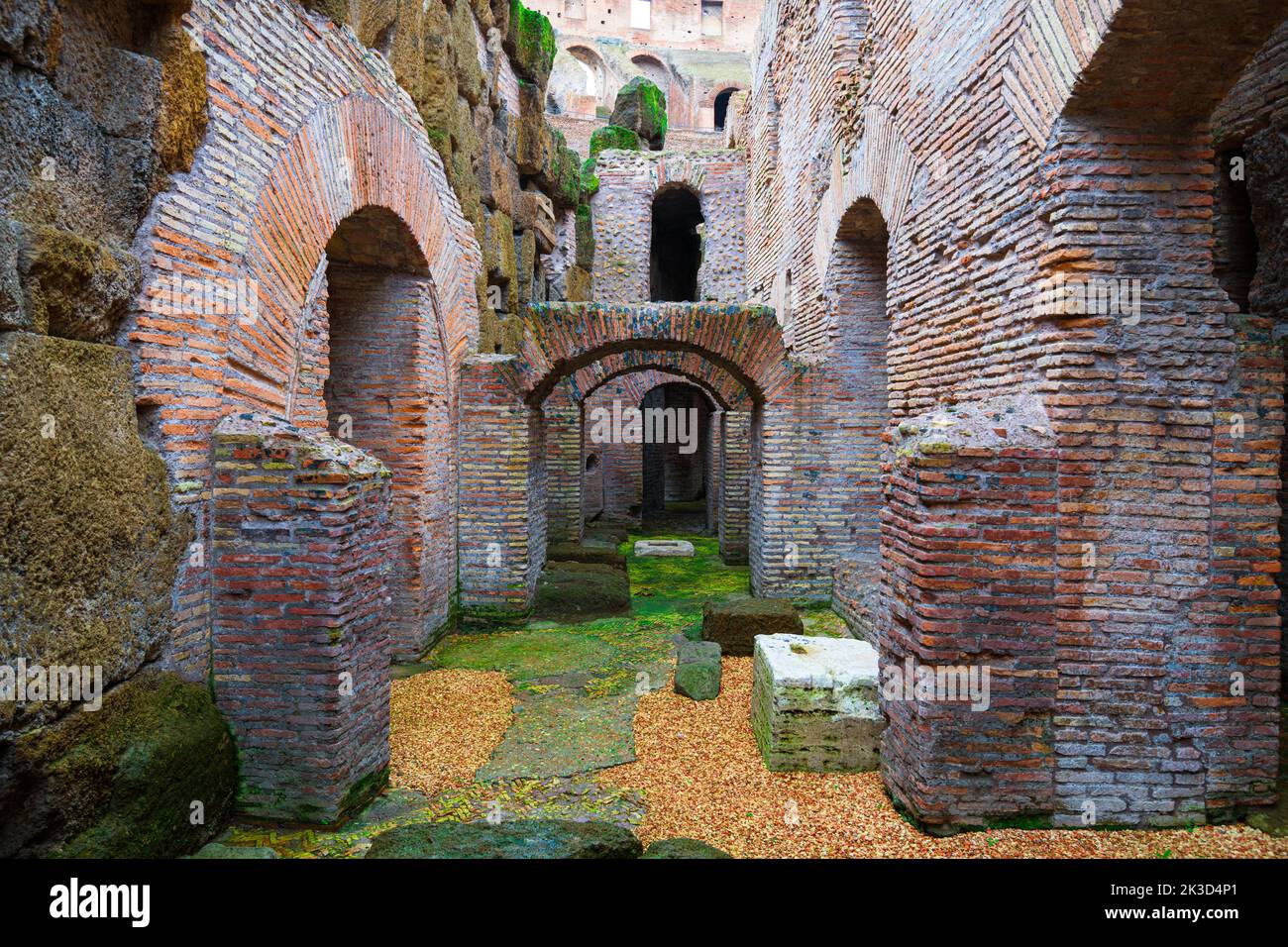
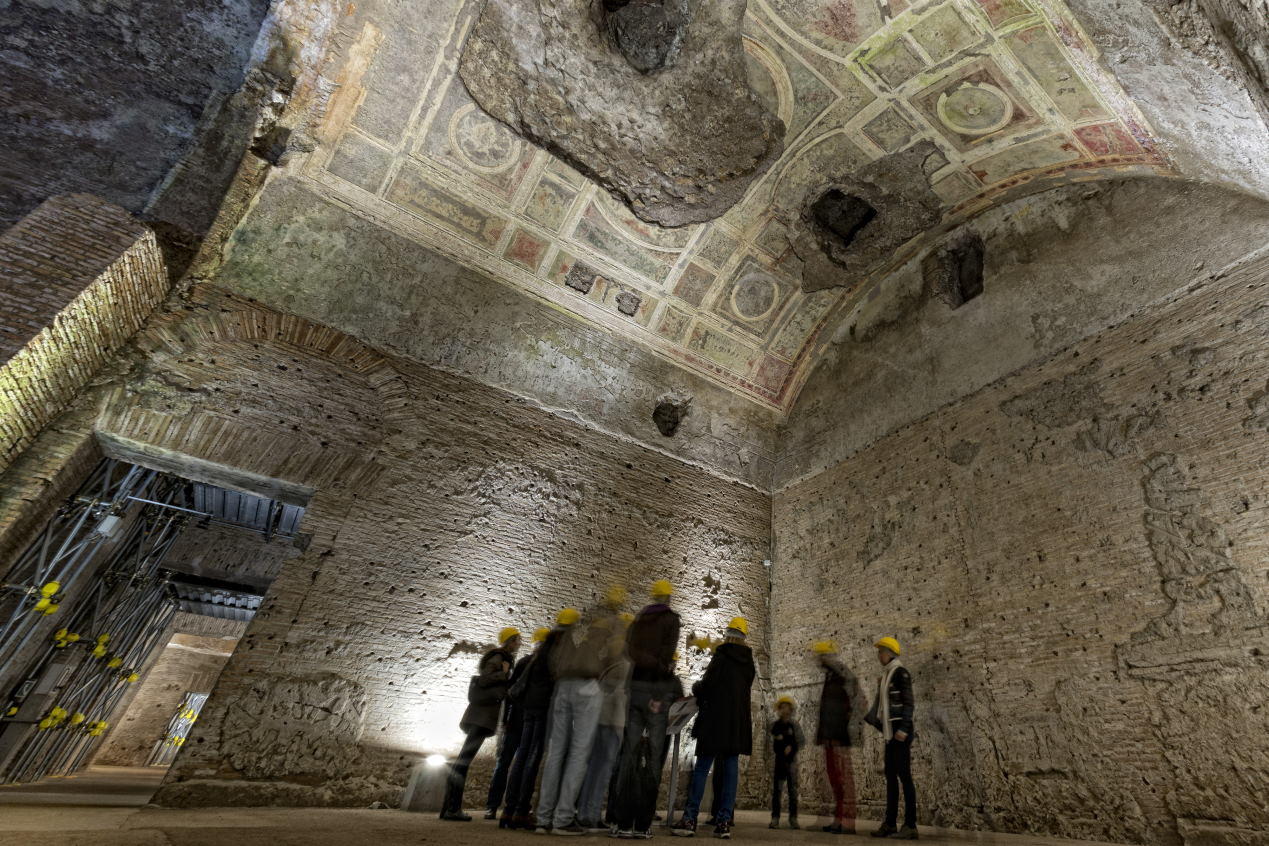
Walk the hypogeum's two-level network of tunnels once used for stage machinery, animal cages, and gladiator holding areas.
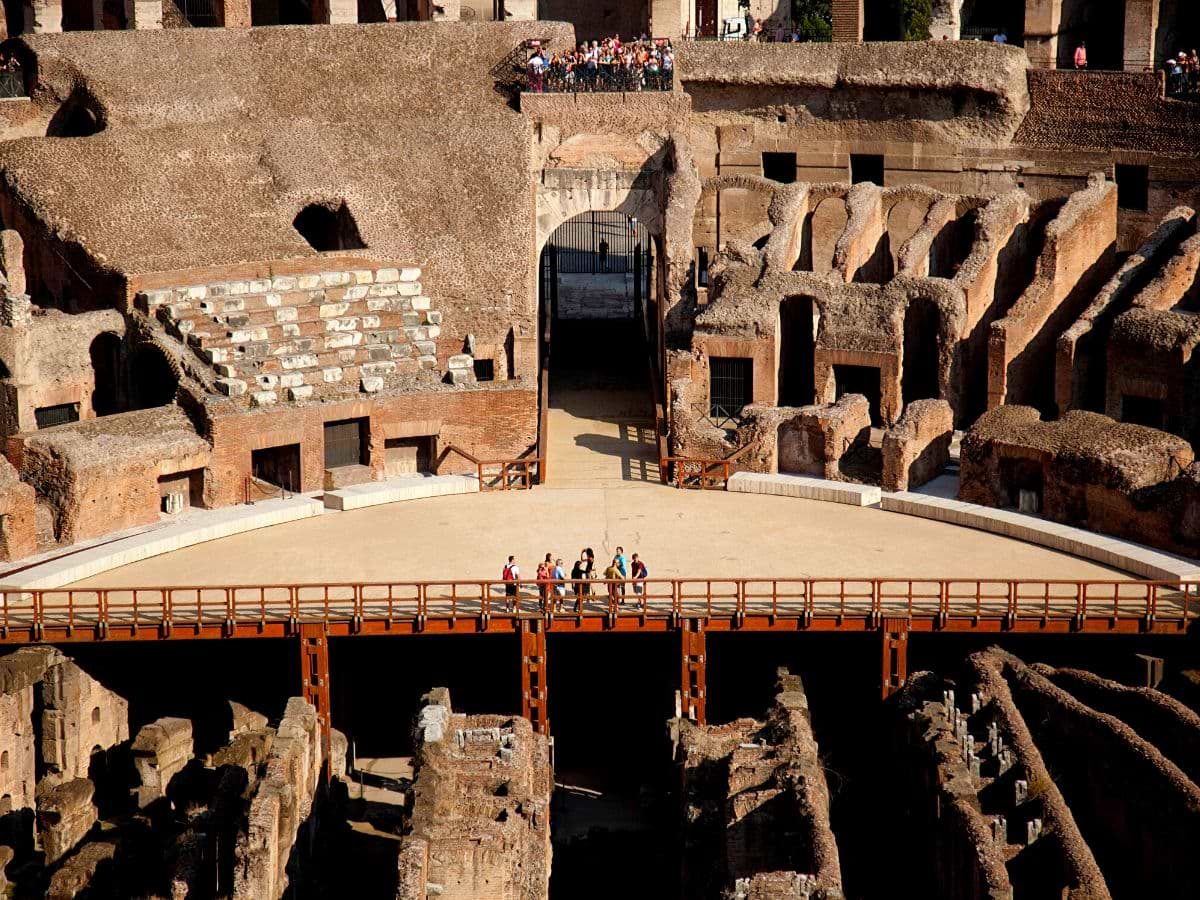
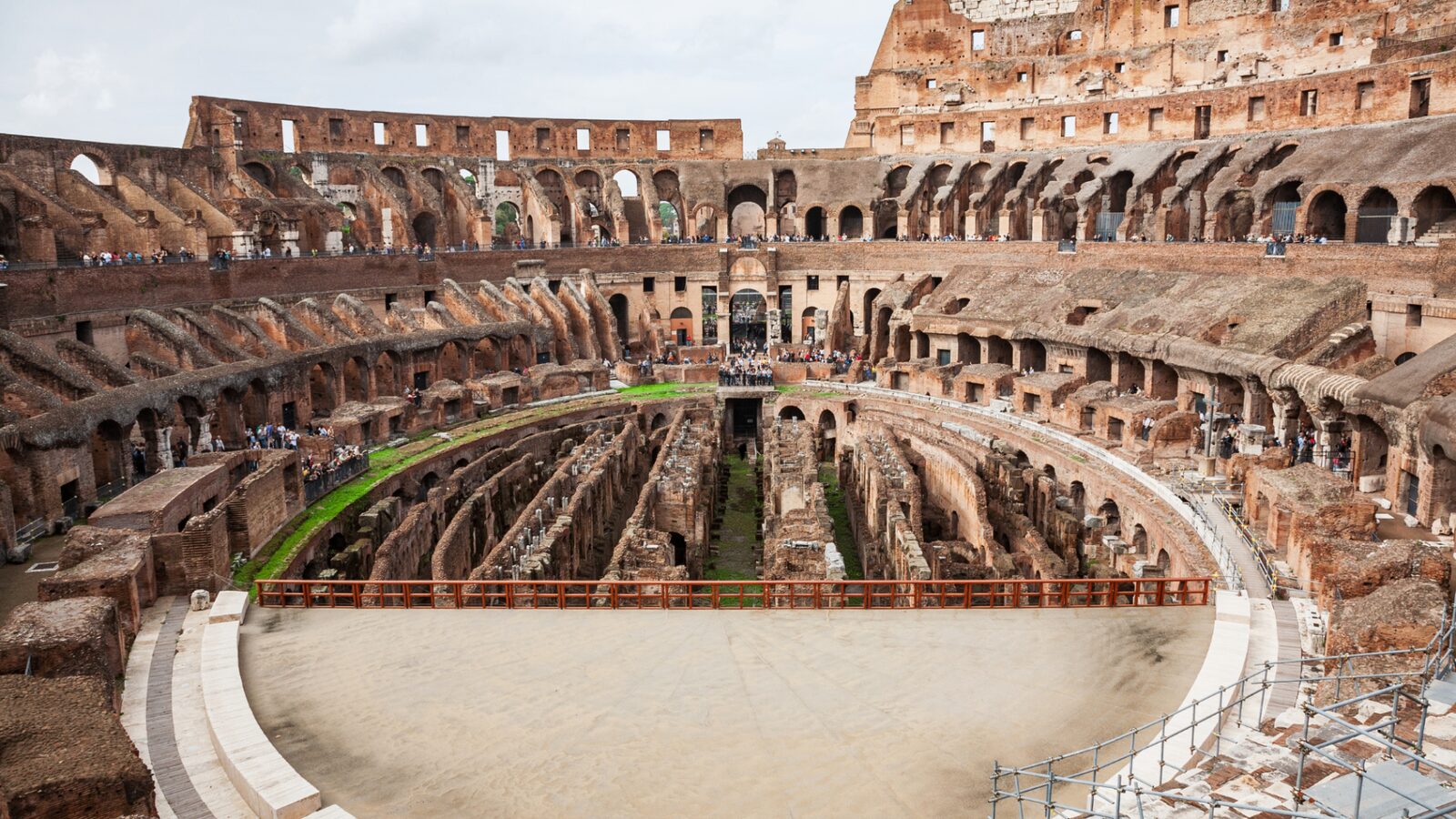
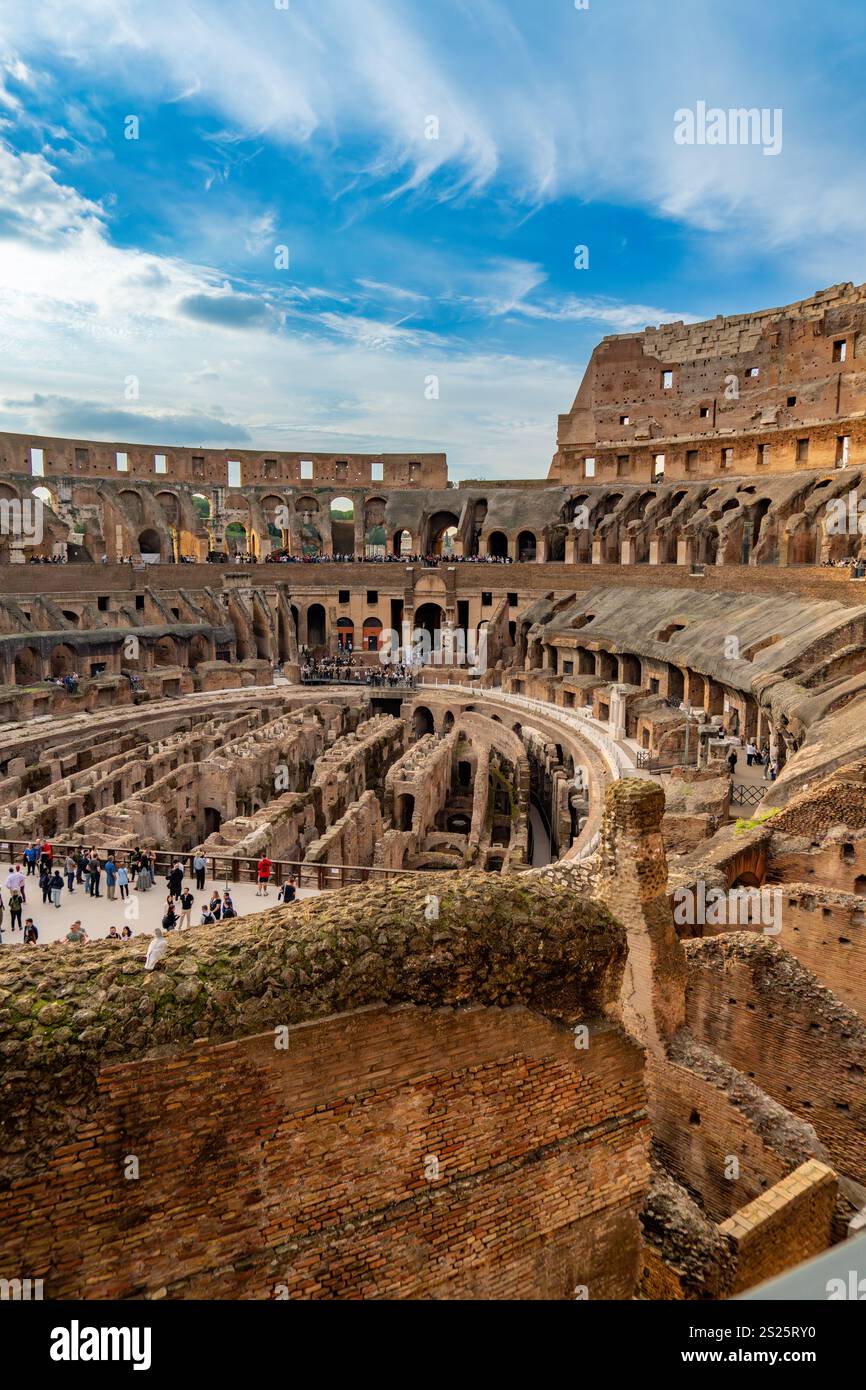
Stand on the reconstructed wooden arena floor for a direct view up into the stands where 50,000 spectators once watched.
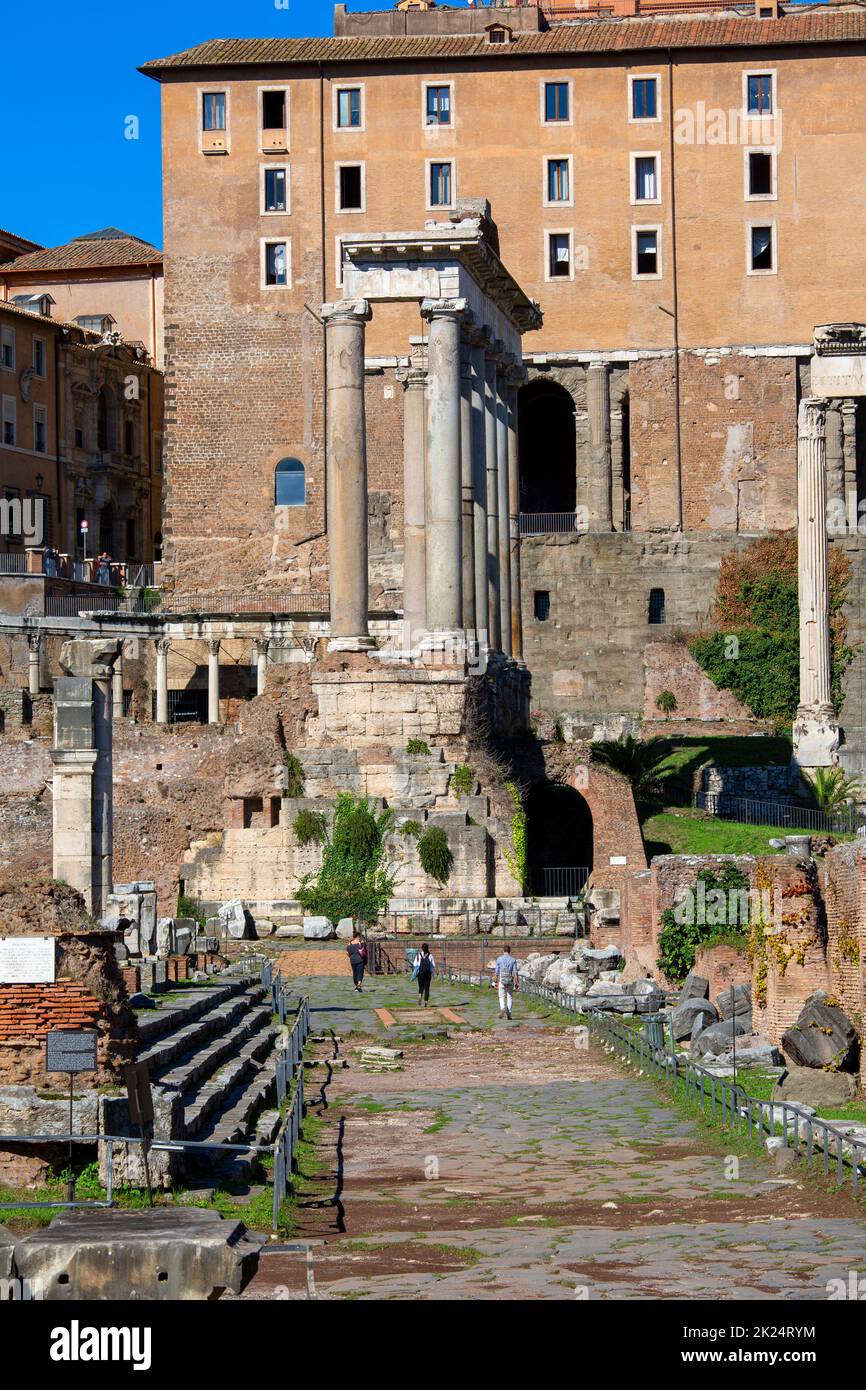
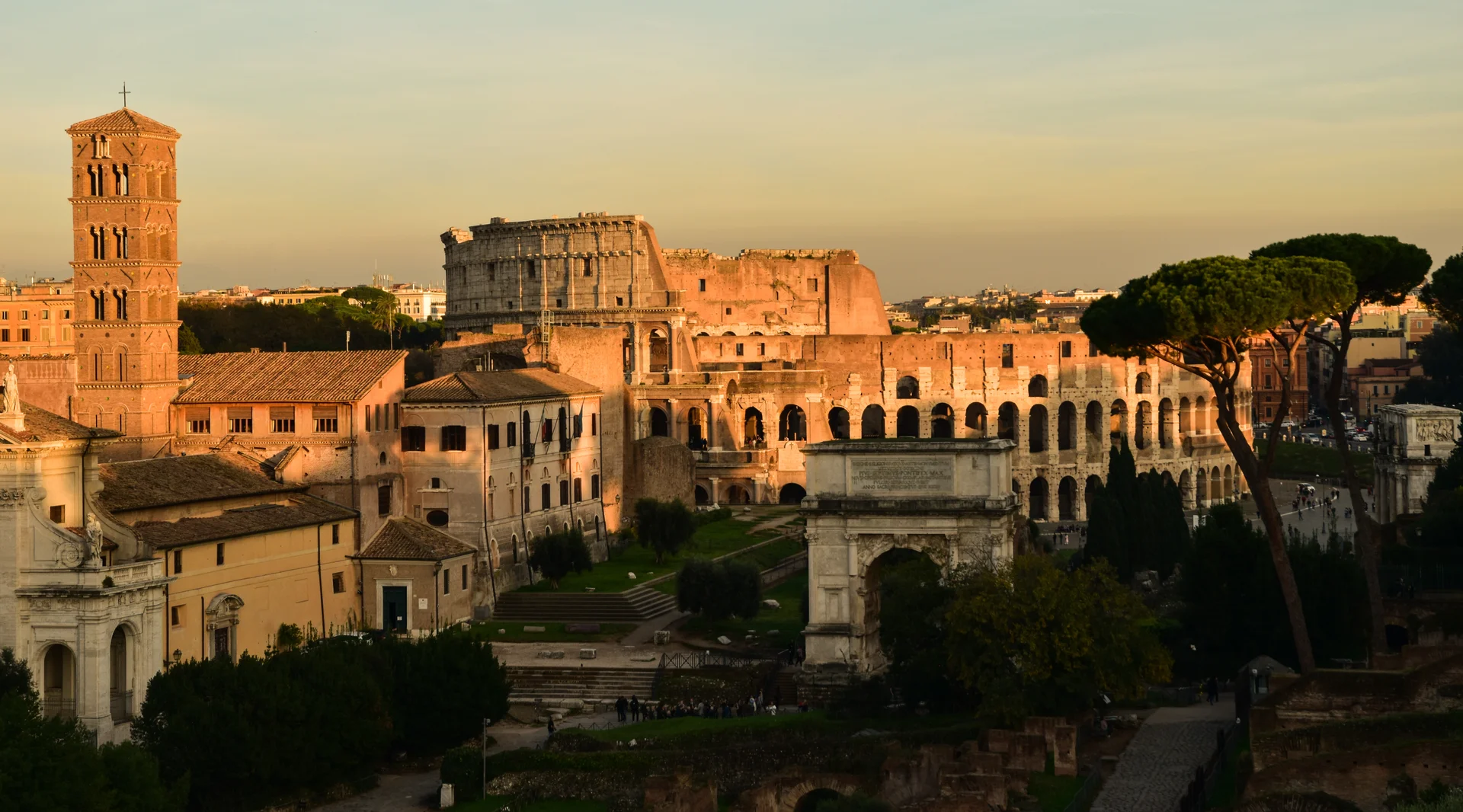
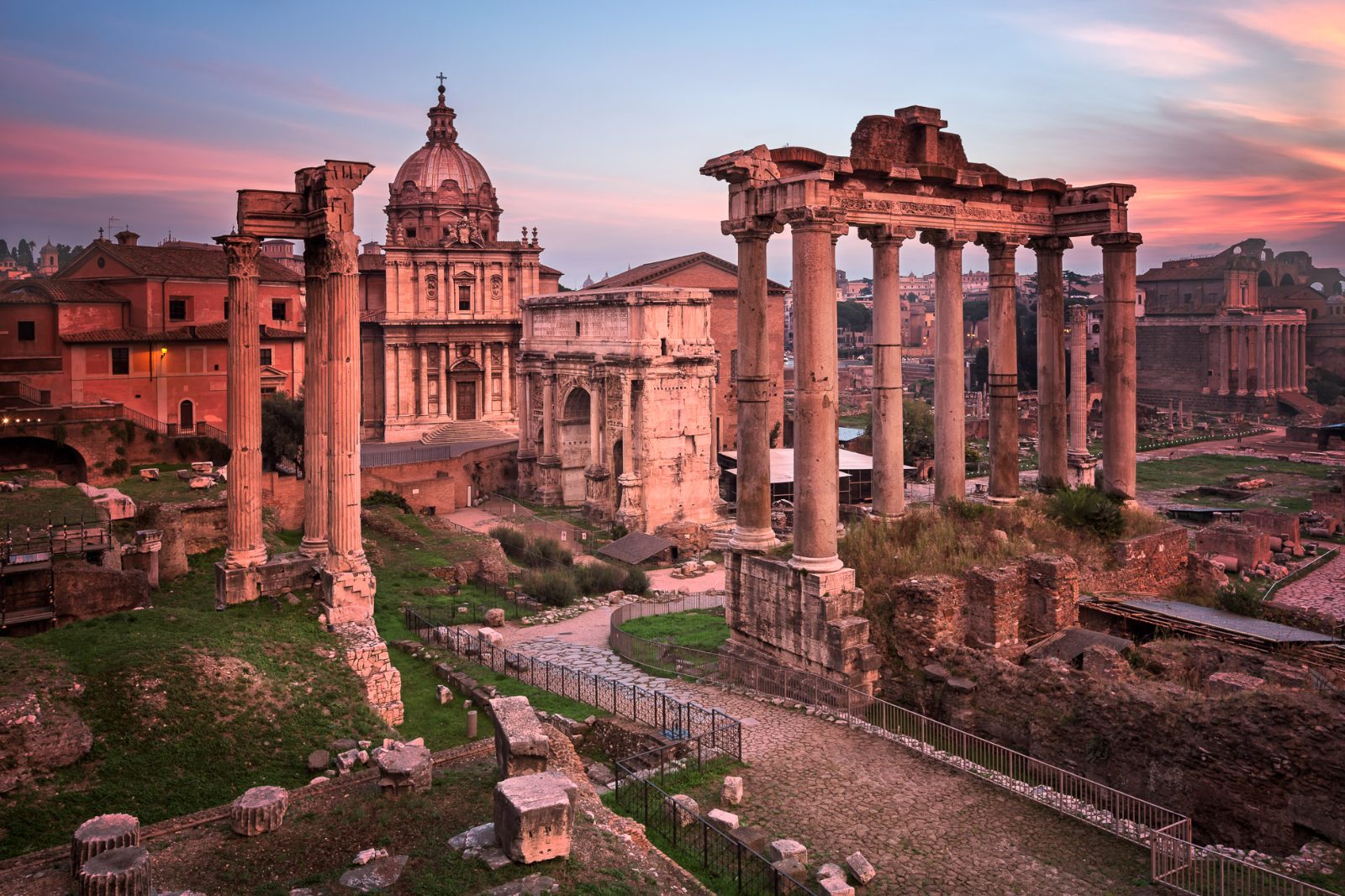
Pass the Arch of Titus, Temple of Julius Caesar, and Roman Senate House while the guide explains daily Roman life.
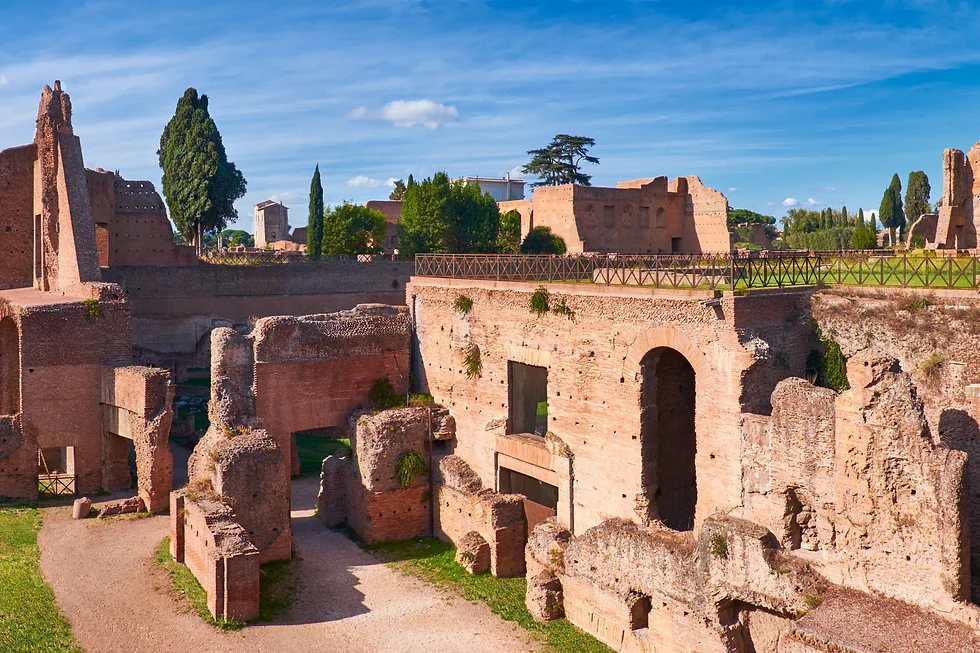
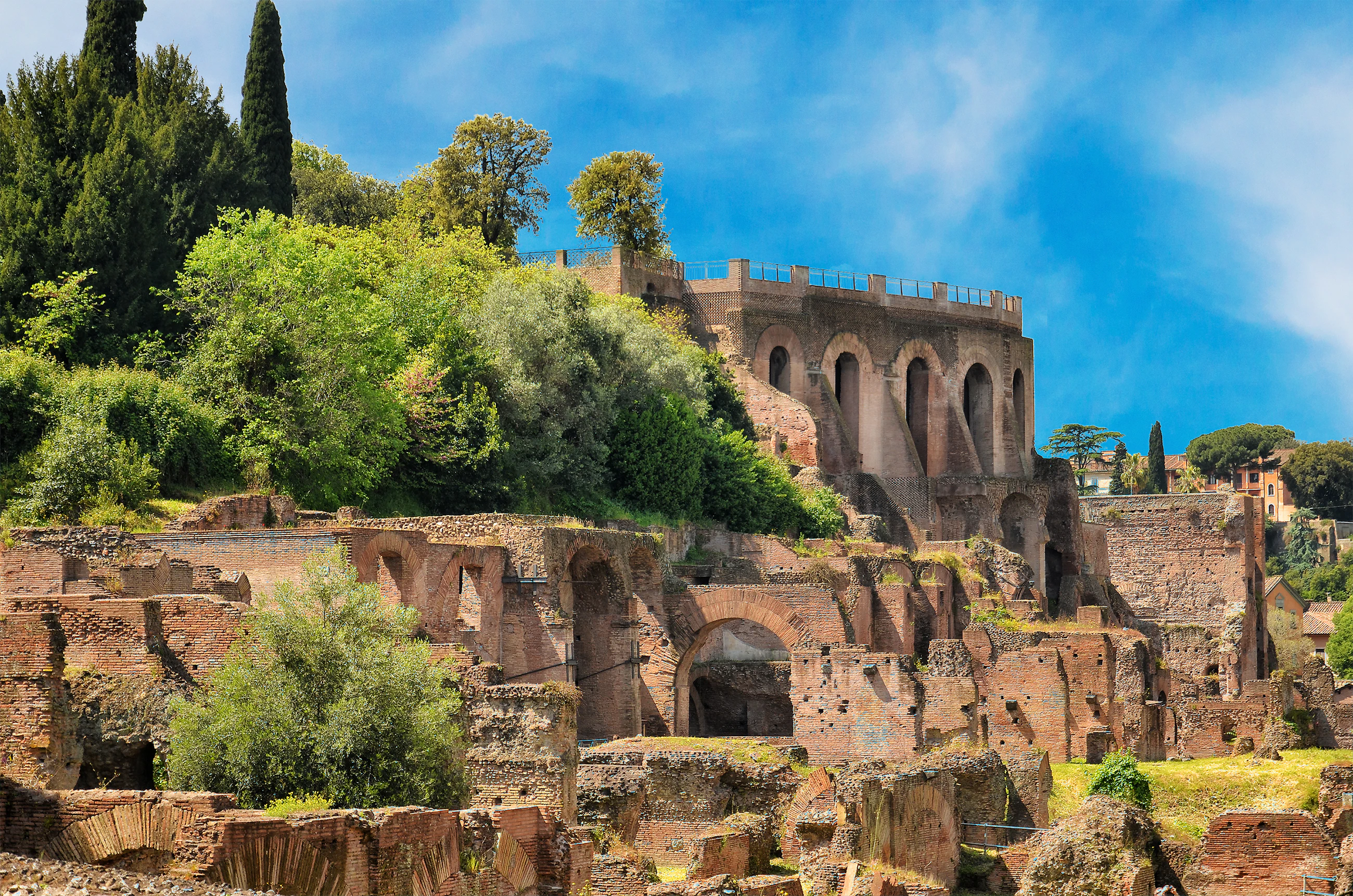
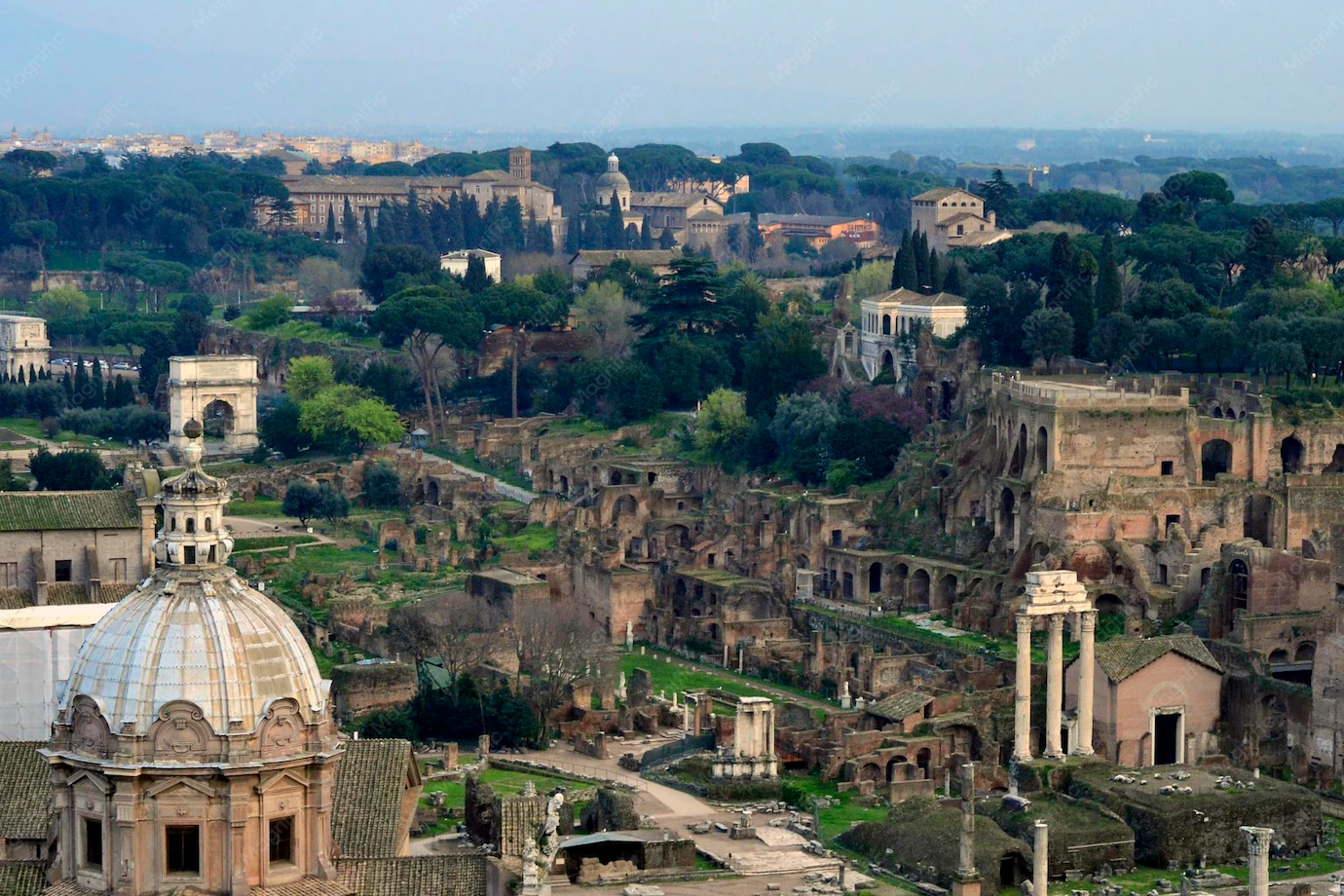
Explore the ruins of imperial palaces and take in views over the Forum and Circus Maximus.
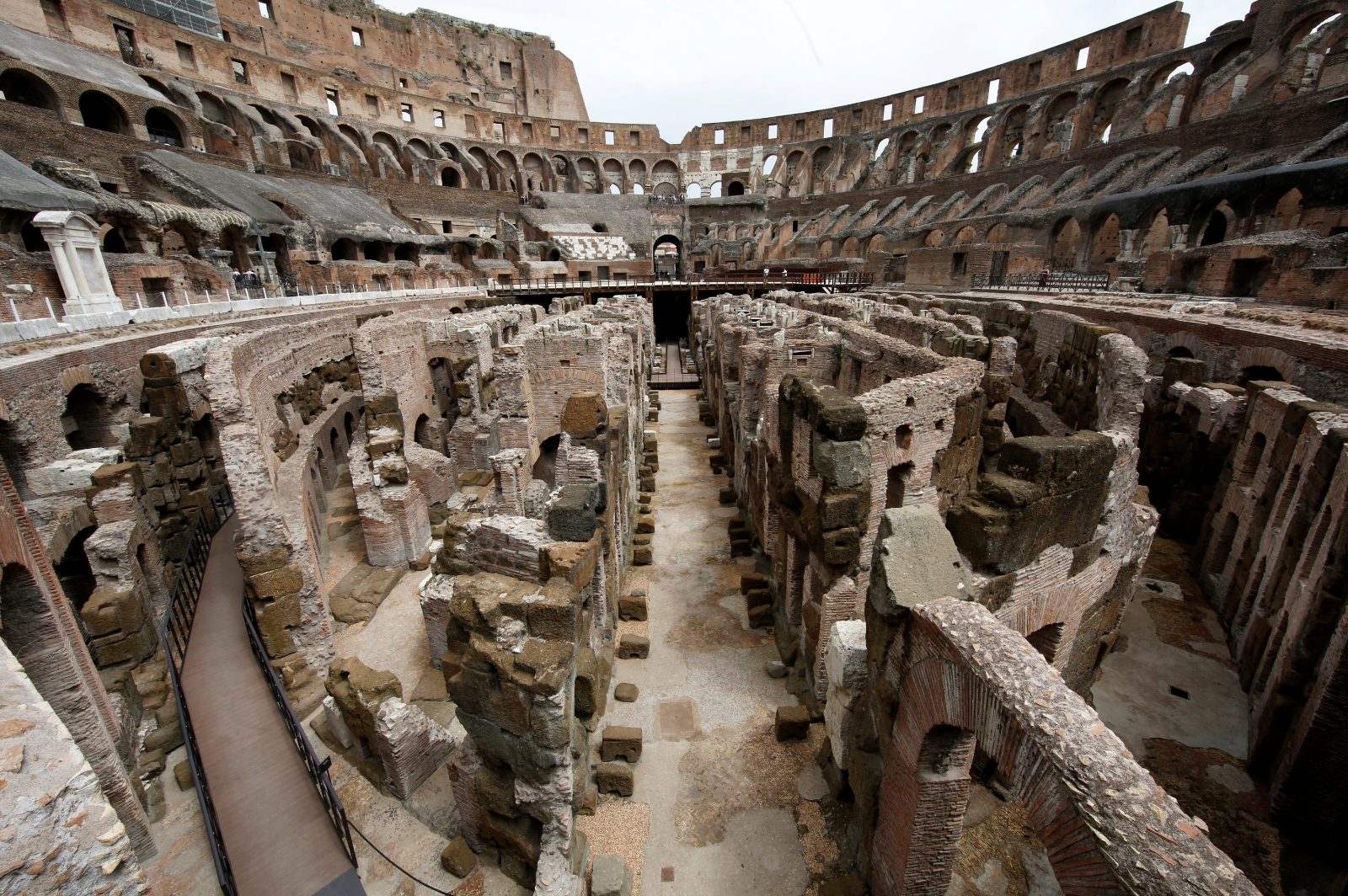
A two-level underground labyrinth of tunnels and chambers built to house gladiators, animals, and stage machinery beneath the arena floor. Wooden elevators and trapdoors once allowed scenery and wild animals to appear suddenly mid-performance, a system reconstructed here from archaeological evidence.
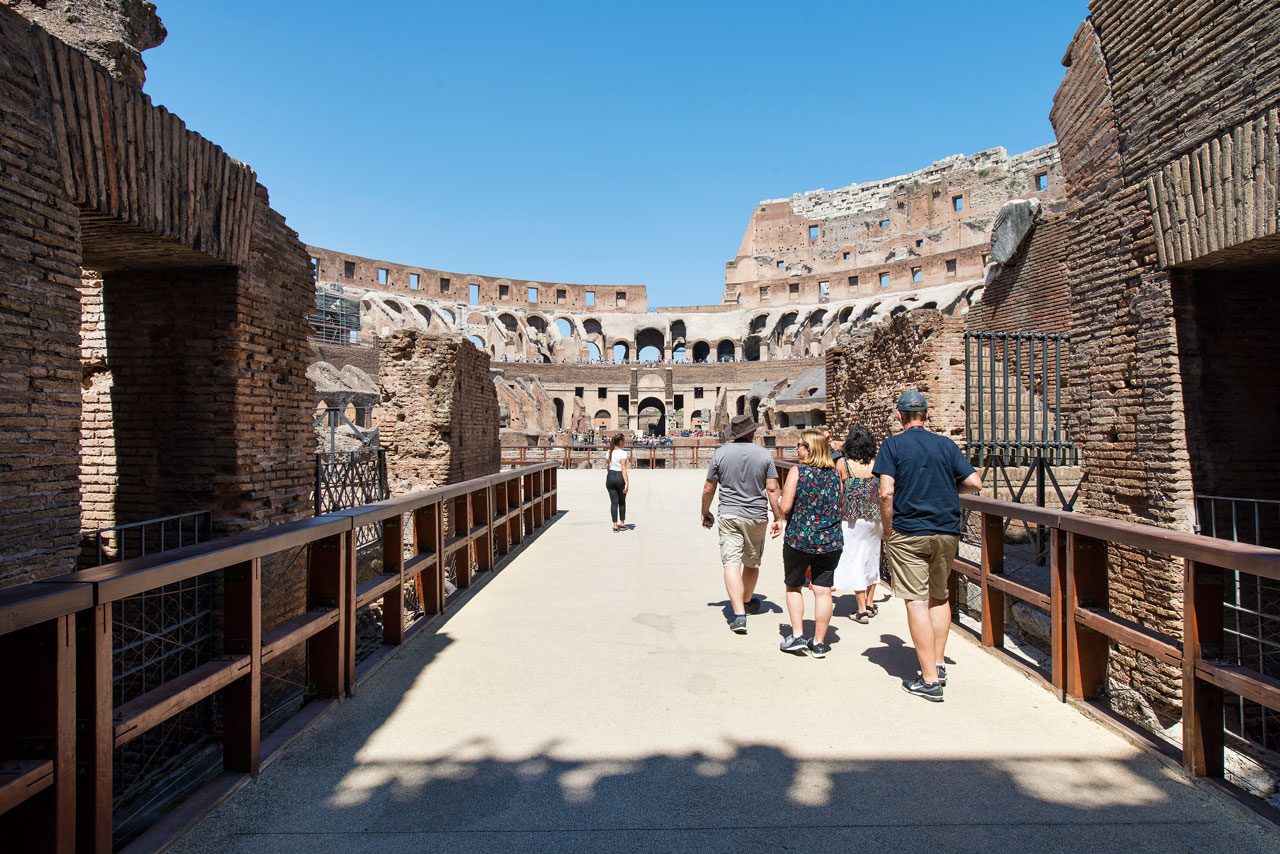
A partial wooden platform rebuilt over a section of the original arena, giving visitors the sensation of standing where gladiators once fought. From here the full 50,000-seat cavea rises around you on all sides.
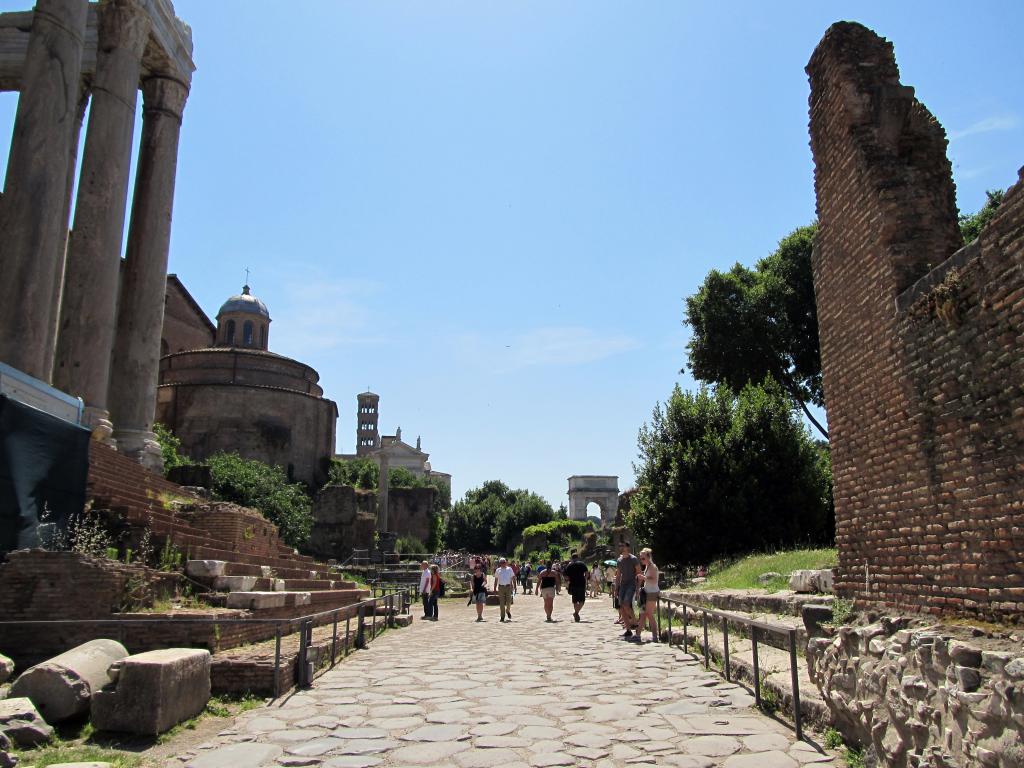
Ancient Rome's principal processional road, still marked with the wheel-ruts of carriages that passed over it for centuries, linking the Colosseum area to the heart of the Roman Forum. Triumphal generals once marched this route with their spoils of war.
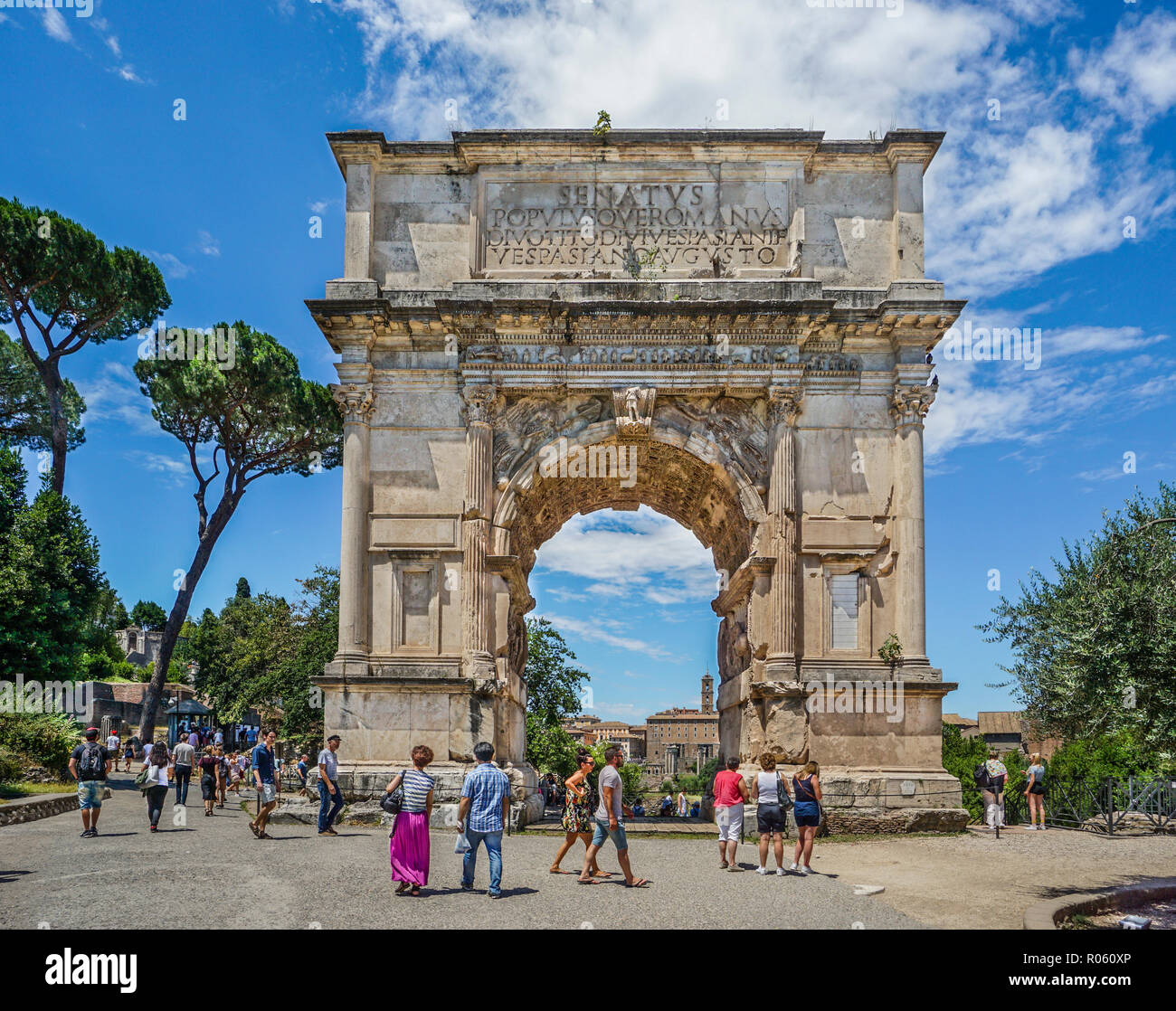
A first-century triumphal arch at the edge of the Forum commemorating the Roman conquest of Jerusalem in 70 AD, its inner panel carved with a relief of soldiers carrying looted temple treasures. It marks the traditional entry point into the Forum from the Colosseum side.
Ruins of the sprawling residences built by emperors from Augustus onward atop one of Rome's seven hills, once considered the most prestigious address in the ancient world. Terraces here open onto sweeping views of both the Forum and the Circus Maximus below.
The reconstructed passage through which gladiators entered the arena floor directly from the underground holding cells, avoiding public view until the moment of combat. The narrow corridor gives a sense of the psychological weight fighters faced before stepping into daylight.
You reach Parco Archeologico del Colosseo on Via della Domus Aurea, ideally between 09:00 and 10:00, when the queues are shortest and the travertine has not yet absorbed the July heat. Doors open at 09:00. Security comes first, then your timed entry is scanned and a guide gathers the group at the meeting point.
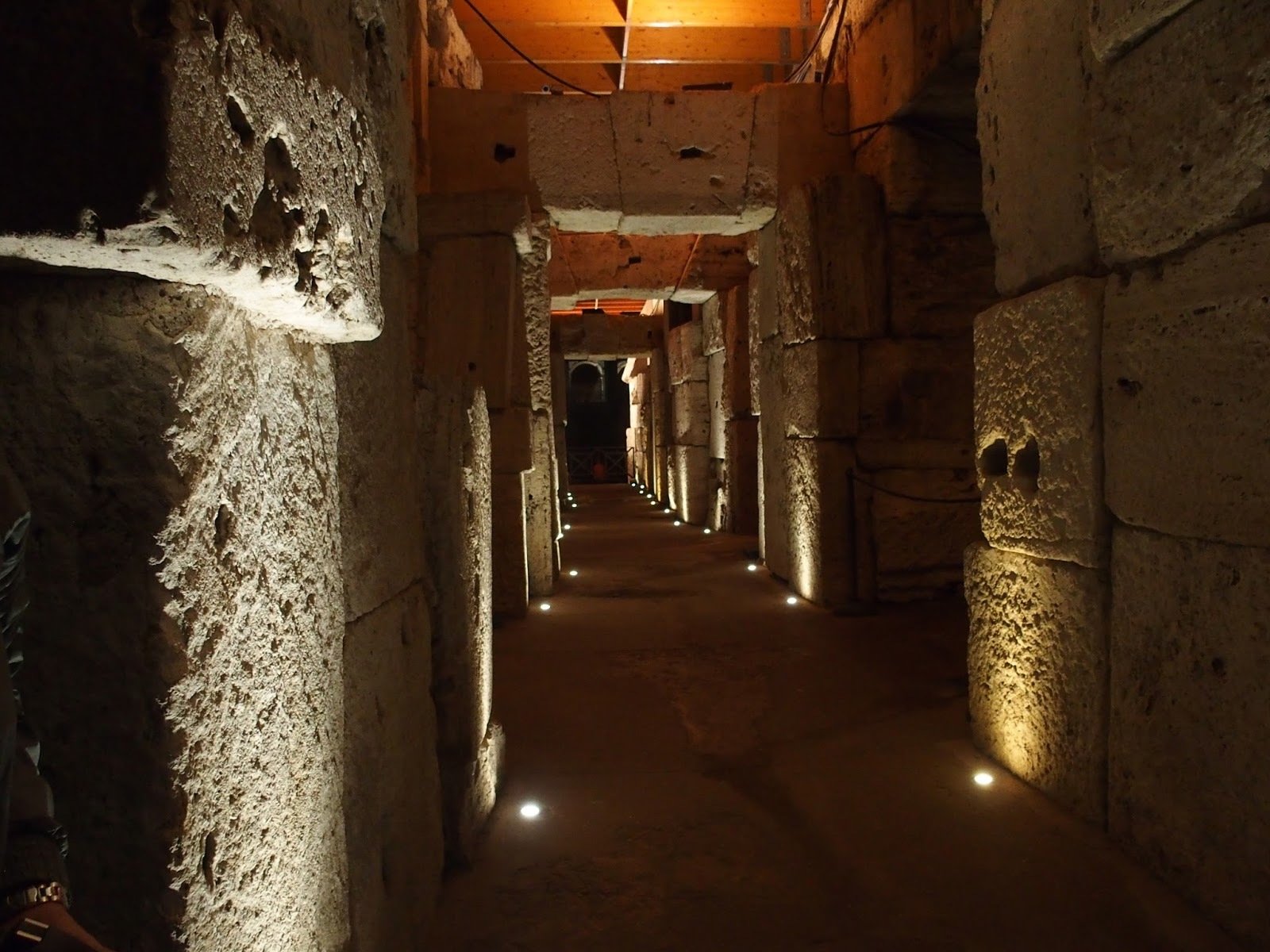
You descend roughly 40 steps into the hypogeum. The temperature drops. The corridors narrow to shoulder width in places, and you walk between brick piers scored by the guide-grooves of the vanished lifts. Your guide stops at a reconstructed winch, points upward to a trapdoor position, and the geometry of the whole building suddenly resolves. Colosseum Underground Tickets tickets are the only way to stand here.
You climb back out onto the restored arena decking. From the centre, the tiers rise on all sides and the sightlines make sense for the first time. You pause, then move to the first and second levels for the loop through the permanent displays before stepping out toward the Arch of Constantine.
Most guided runs of a Colosseum Underground Tickets tours itinerary continue into the Roman Forum and up onto the Palatine Hill on the same ticket, so keep water and a hat with you.
All the details about your upcoming adventure in one place
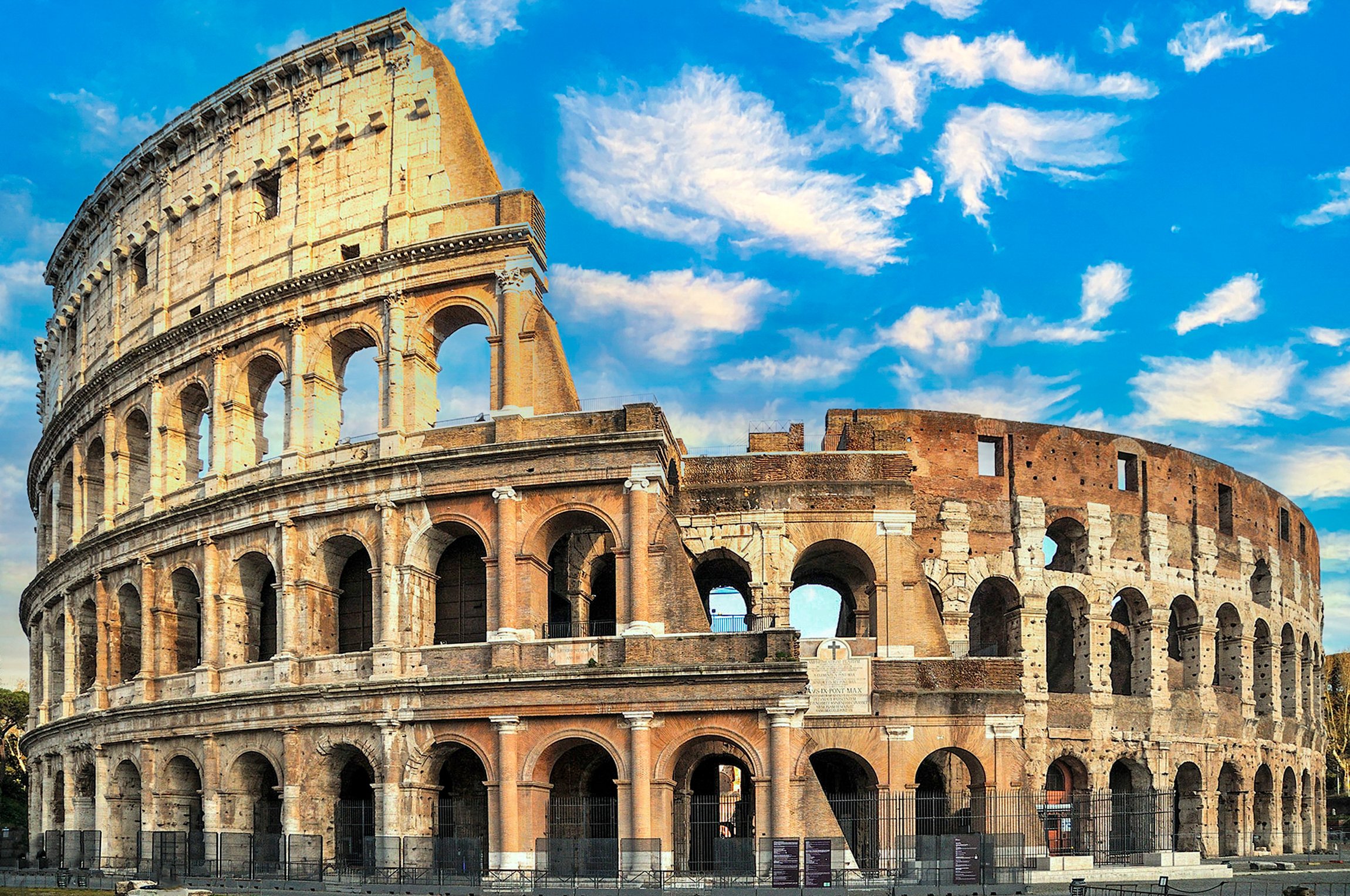
Colosseum Underground Tickets open the hypogeum, the brick-and-tufa service corridors where gladiators and animals waited beneath the arena floor before being raised by winch-driven lifts. Guided visits pair this restricted level with the Roman Forum and Palatine Hill, so the Flavian Amphitheatre reads as part of a working imperial complex rather than a single monument. Most Colosseum Underground Tickets tours also include the reconstructed arena platform, giving you the gladiator's view up toward the tiered cavea.
For roughly four centuries the floor of the Flavian Amphitheatre was a wooden deck covered in sand, and almost nothing that happened on it began there. It began below.
The hypogeum — the two-level substructure of brick-faced concrete corridors, cells and shafts beneath the arena — was added under Domitian, after the building's inauguration in AD 80. Thirty-two winch-driven lifts, worked by capstans and counterweights, hauled animals and scenery upward through trapdoors. The Roman Forum lay a few hundred metres north; the Ludus Magnus, the gladiatorial training barracks, connected to the amphitheatre by a tunnel. Colosseum Underground Tickets are the only route into that lower world, which stayed buried under earth and vegetation until nineteenth-century and 1930s excavations cleared it.
What survives is a diagram of Roman engineering thinking. The walls read as a palimpsest: travertine footings, opus latericium brickwork, later repairs in reused stone after the earthquakes of 443 and 1349. Grooves cut for lift guides are still visible in the piers. The drainage channels beneath were tied into an older system serving the artificial lake of Nero's Domus Aurea, over which the amphitheatre was deliberately built — a public building placed on a private lake, an act of political correction as much as architecture. The address of the archaeological park, Via della Domus Aurea, still records that inheritance.
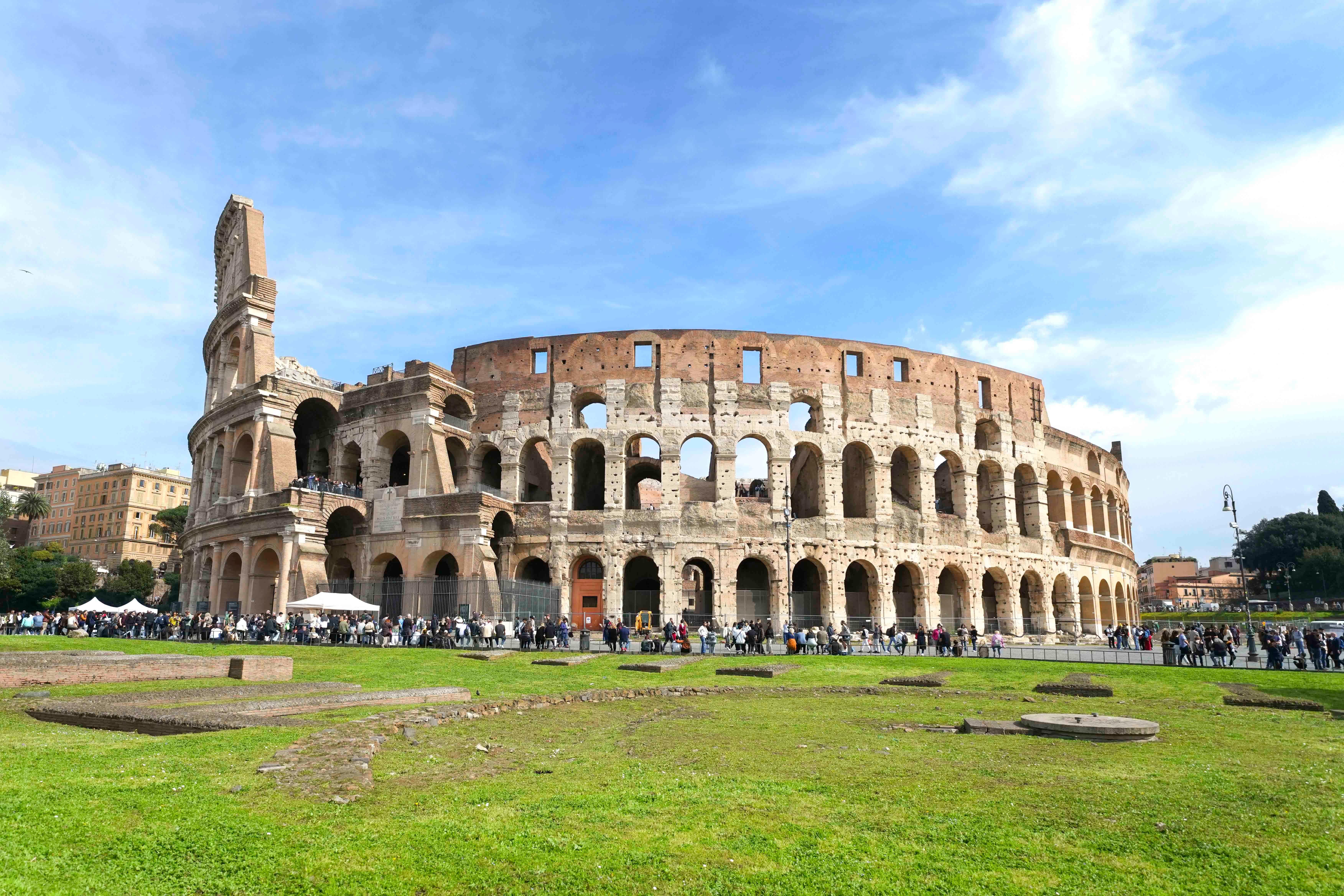
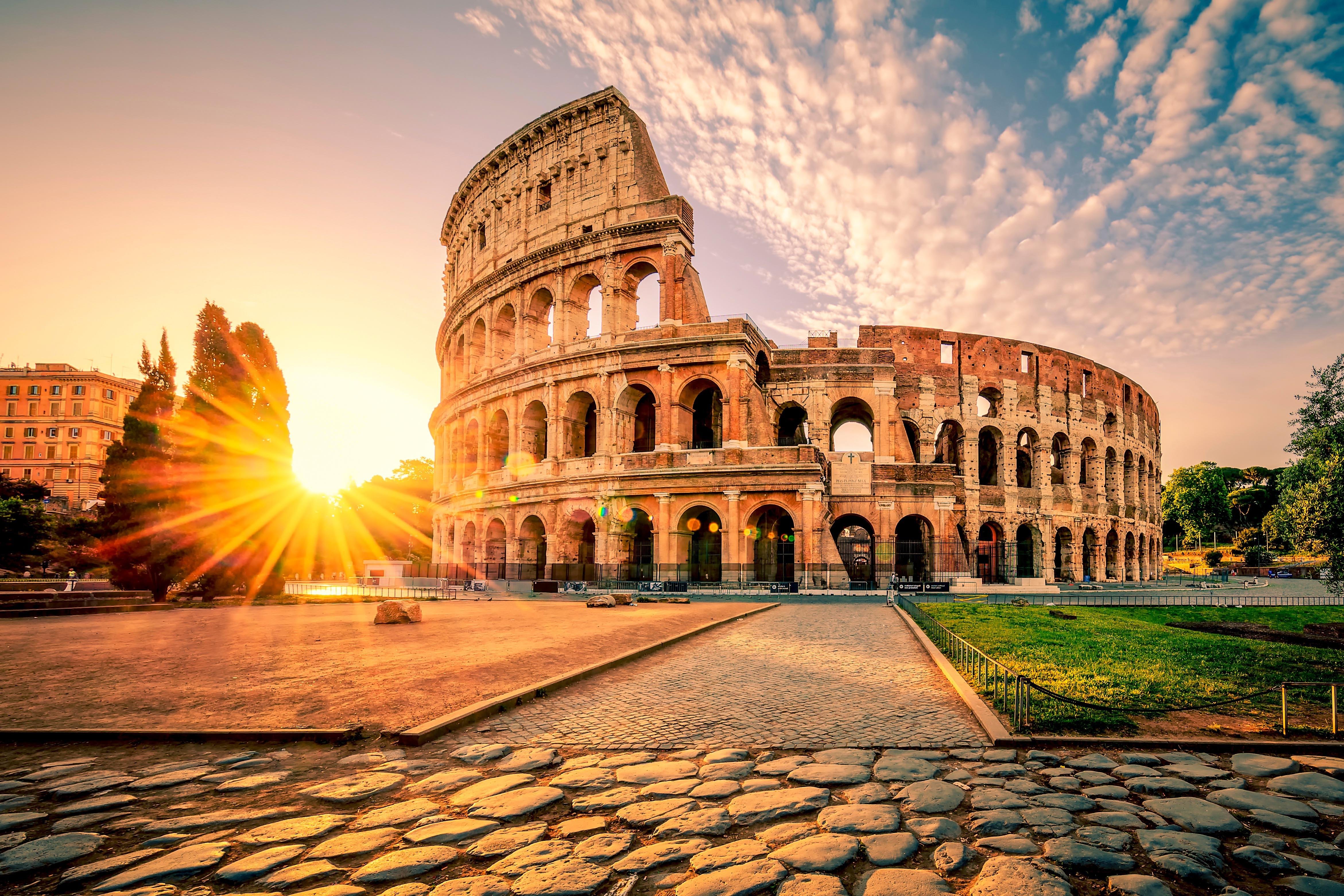
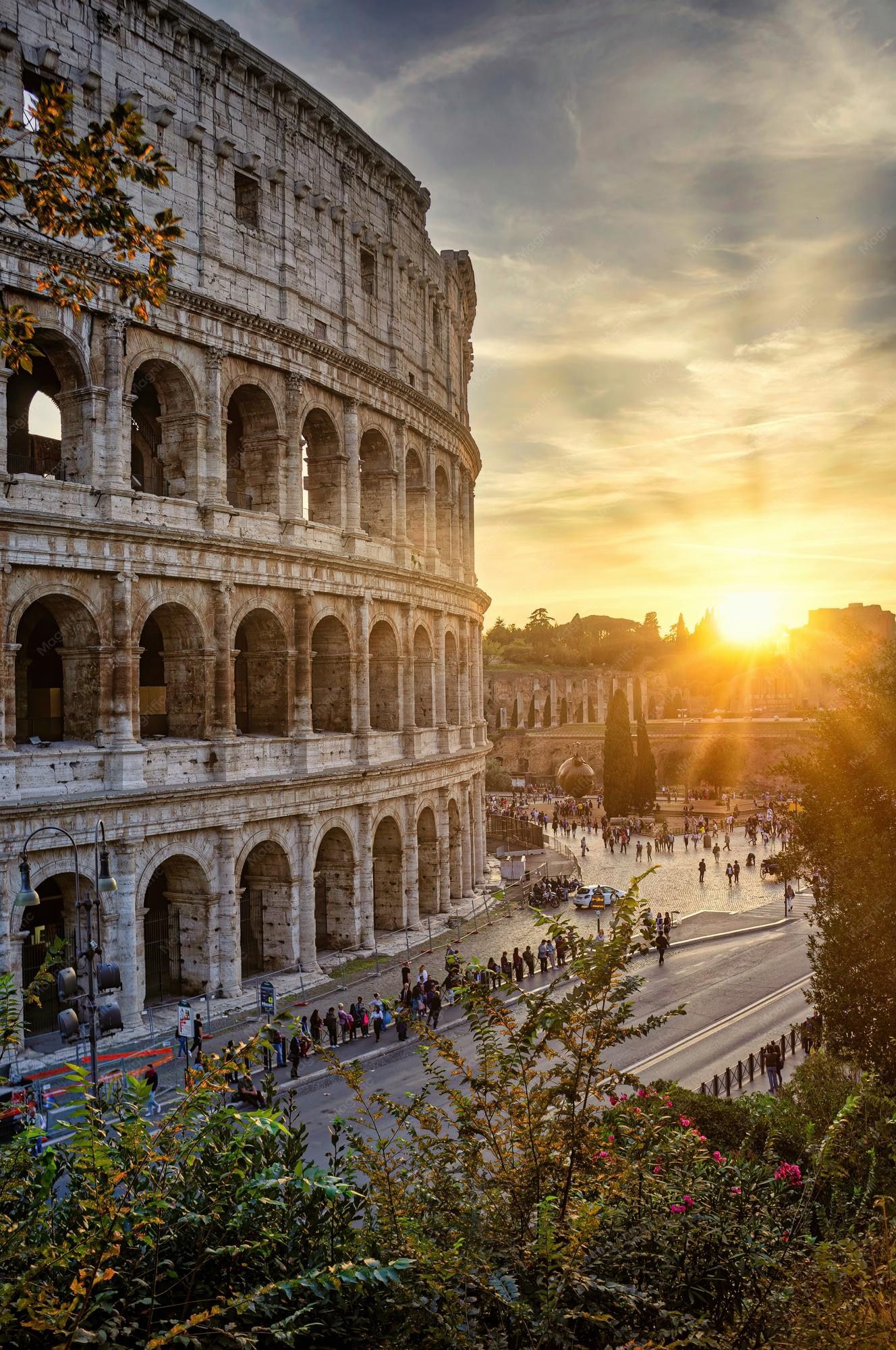
Today the site sits at the centre of a UNESCO World Heritage listing covering Rome's historic core, and roughly a third of the original masonry stands; the missing two-thirds went into Renaissance palaces as quarried stone. The elliptical plan measures 189 by 156 metres, its outer wall articulated by superimposed Doric, Ionic and Corinthian half-columns — the ordering system later copied across European civic architecture for fifteen hundred years. Conservation work since 2013 has cleaned the travertine facade and stabilised the hypogeum walls, and restored a section of the arena decking so that visitors can read the original ground plane.
A Colosseum Underground Tickets tour is therefore less a walk through ruins than a reading of a machine. The passages are narrow, low and unglamorous, and that is the point: they show a monument designed backwards, from the spectacle down to the pulleys. Rome landmarks rarely make their workings this legible.
The passages show a monument designed backwards, from the spectacle down to the pulleys.
Wear closed-toe shoes with good grip, since the hypogeum's ancient stone floors and narrow staircases are uneven and can be slippery. Sandals and heels are discouraged. Bring a light layer even in summer, as the underground galleries stay noticeably cooler than the sunlit arena floor above.
Every visitor passes through an airport-style security screening at the entrance before descending into the underground chambers. Bags larger than a small daypack are not permitted through the checkpoint and must be checked at the free cloakroom near the Piazza del Colosseo entrance.
Personal photography and video without flash are allowed throughout the underground corridors, arena floor, and upper tiers. Selfie sticks, tripods, and monopods are restricted in the narrow hypogeum passageways due to the confined space and steady visitor flow.
Children are welcome on the underground itinerary, though the steep stairs, low lighting, and confined tunnels can be challenging for very young kids or strollers, which are not permitted below ground. Under-18s from EU and non-EU countries receive free entry, but a valid timed reservation is still required for every visitor including infants.
The underground hypogeum is reached via roughly 40 steps down uneven ancient stone and is not wheelchair accessible; it can also be difficult for visitors with claustrophobia or limited mobility. The main Colosseum arena level, first tier, and Roman Forum sections do offer wheelchair-accessible routes and lifts, but the underground itself has no elevator alternative.
Food and drink are not permitted inside the underground galleries, arena floor, or archaeological areas; only sealed water bottles are generally allowed. A small café and water refill point are located near the Palatine Hill gardens for use before or after the underground portion of the visit.
Steady weekday flow, moderate crowds
Second-busiest weekday for tour groups
Mid-week, generally calmer
Weekend crowds begin building by afternoon
Busiest day of the week
Free-entry crowds on first Sunday of month
Hours
Open daily 09:00–19:15, entrance via Via della Domus Aurea
Address
Parco Archeologico del Colosseo, Via della Domus Aurea, 00184 Rome, Italy
Access
40 steps to reach the underground viewing walkways, uneven stone surfaces
Arrival
Best window 09:00–10:00 for smallest crowds and cooler temperatures
Bags
Small daypack only, large bags and backpacks must be left at the cloakroom
Public transport · 10-15 min from central Rome · Single ATAC ticket about €1.50
Take Metro Line B to the Colosseo stop, which sits directly across from the main entrance; Line A travelers should change at Termini onto Line B toward Laurentina.
Walk · 15-20 min from Piazza Venezia · Free
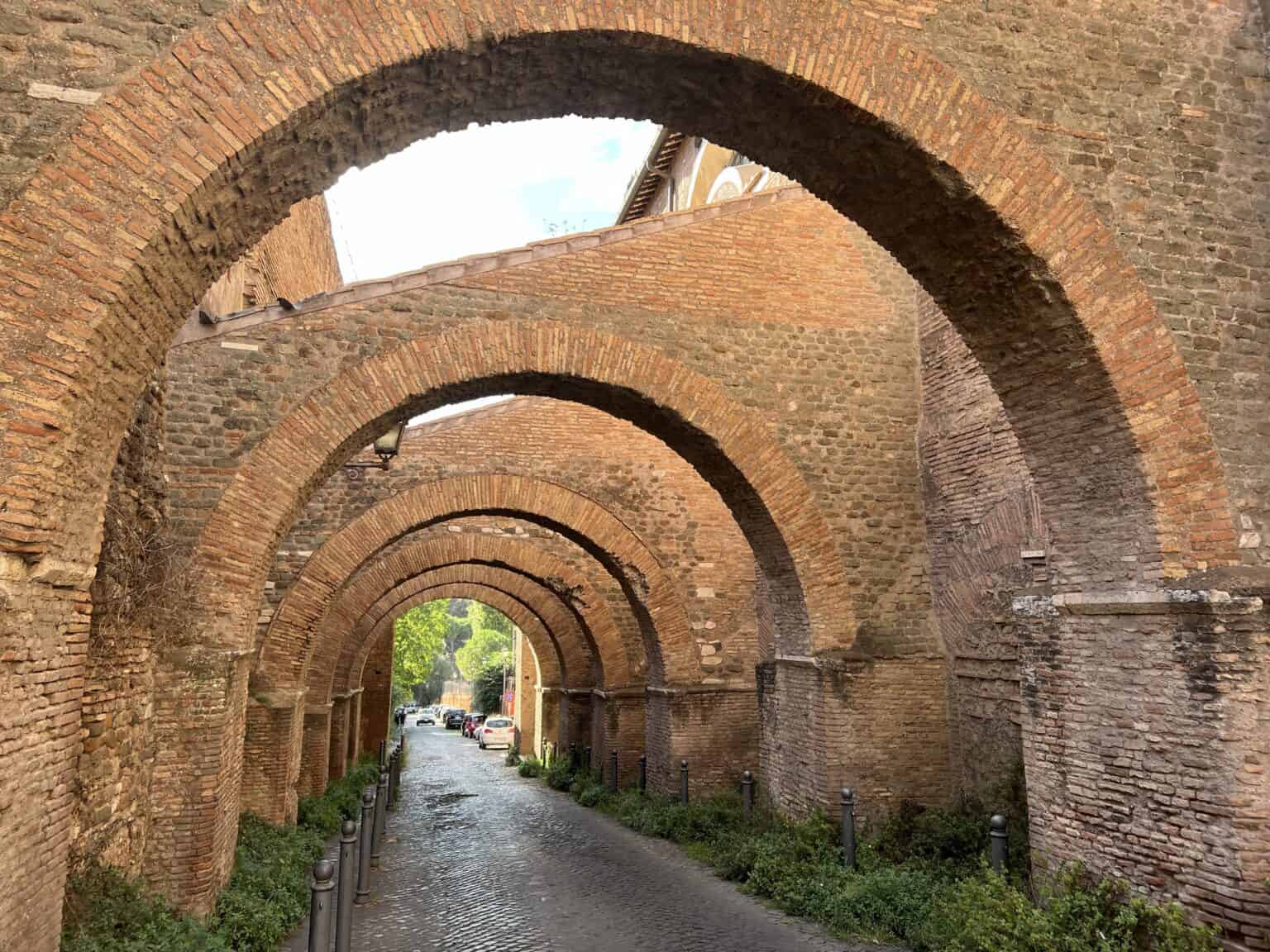
From the Roman Forum's Via Sacra or from Piazza Venezia along Via dei Fori Imperiali, the entrance is a flat, well-signposted route.
Taxi · 10-20 min from central hotels · Approx. €10-15
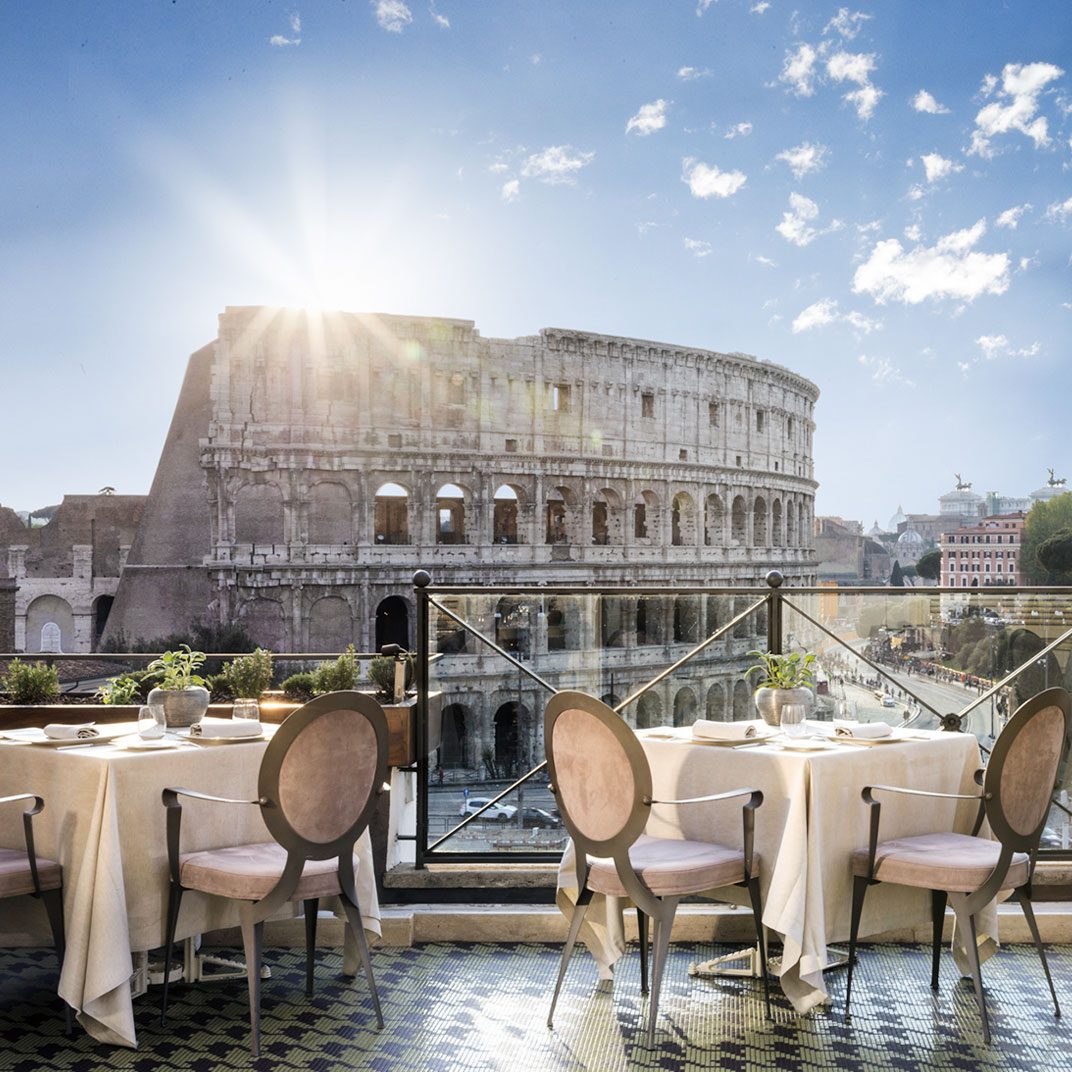
Licensed taxis can drop off near Via di San Gregorio or Piazza del Colosseo, though traffic around the site is often congested.
Bike · 10-15 min from central Rome · Pay-per-ride, roughly €0.20/min
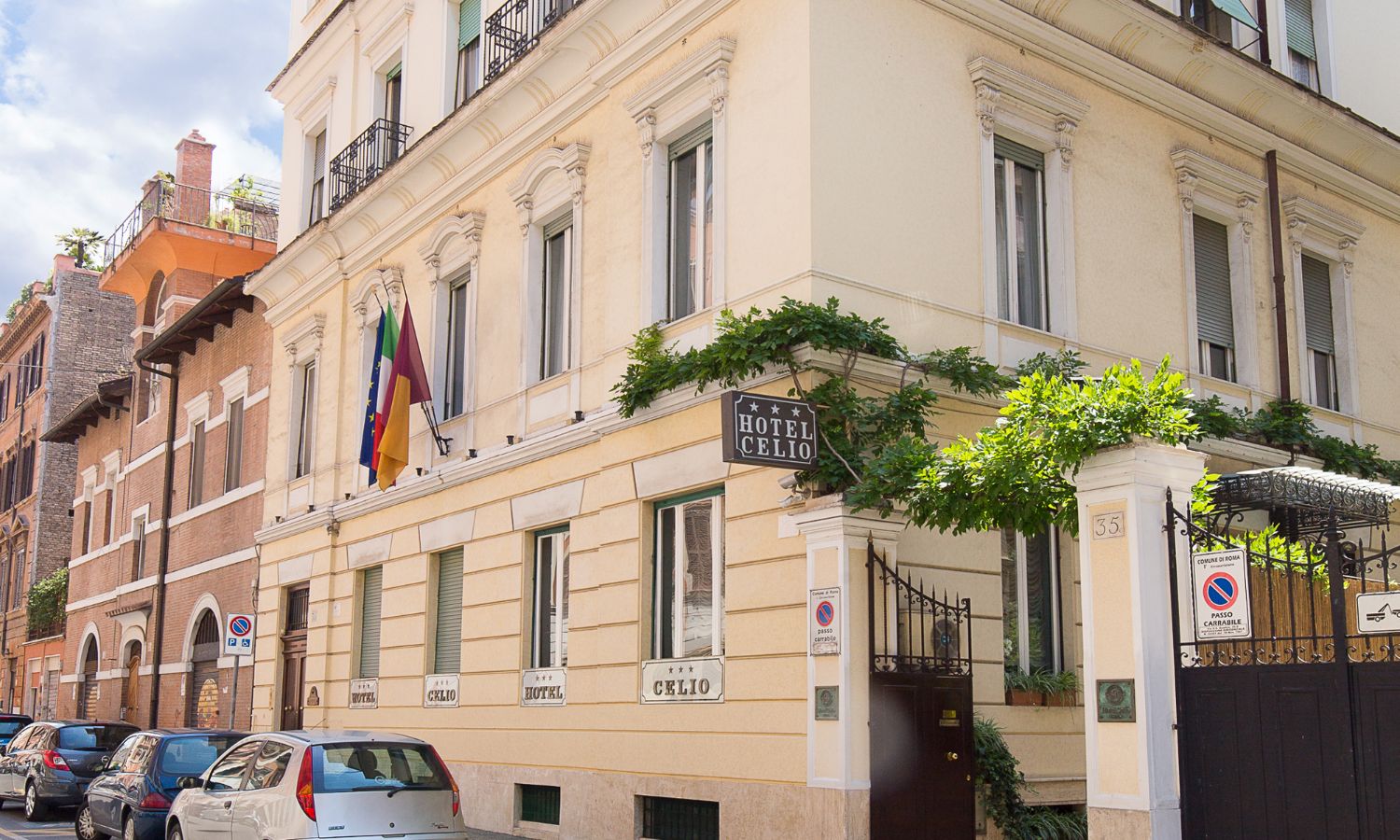
Rome's shared e-bike schemes have docking stations near Via Labicana and the Colosseo metro exit.
Colosseum Underground Tickets can typically be cancelled up to 24-48 hours before the scheduled entry time for a full refund of the 24 EUR Full Experience Underground and Arena ticket price plus the 2 EUR booking fee. Cancellations made closer to the entry time, or no-shows, are generally non-refundable since timed slots cannot be resold.
Recommended time
3 - 3.5 hours
A guided Colosseum Underground Tickets tour covers the hypogeum corridors, the arena floor, and the first and second tiers, and most operators run this as a 3 to 3.5 hour experience once the Roman Forum and Palatine Hill are folded in. Add 30 to 45 minutes if your route stacks the Forum and Palatine before the amphitheater itself, or trim toward the shorter end if you book an underground-and-arena-only slot. Queue reality: every visitor clears an X-ray and bag check regardless of ticket type, so build in 10 to 15 minutes before your entry window even on a skip-the-line Colosseum tour. Starting at opening keeps the underground tunnels cooler and the group pace unrushed, which matters more below ground than up top.
Crowd levels through the day
Weather · crowds · average price — dots go green to amber to red as each metric rises.
March to May brings mild 15-22°C days but also heavy school-trip traffic, so early morning slots for Colosseum Underground Tickets fill fastest of the year. Cherry blossoms in the nearby Roman Forum gardens add a scenic backdrop.
June to August sees temperatures regularly above 30°C and the year's largest crowds, making the 09:00 opening slot the only realistic way to avoid both heat and queues. Evening night-tour slots become especially popular during this season.
September and October offer comfortable 18-24°C weather with thinner crowds than summer, making it one of the more favorable stretches for underground visits. Late October also brings shorter daylight hours affecting closing times.
November through February is the quietest season, with occasional rain that can temporarily close the underground due to flood risk in the hypogeum. Daytime highs of 8-14°C make layered clothing useful for the cooler underground galleries.
Colosseum Underground Tickets are limited to a small number of guided groups per day and routinely sell out weeks in advance, so reserve as soon as travel dates are confirmed.
The hypogeum's ancient stone floors are uneven and can be slippery, so closed-toe shoes with solid tread matter more here than for the standard Colosseum visit.
The underground galleries run noticeably cooler than the open arena floor above, so a jacket or sweater makes the temperature swing more comfortable.
Heavy rain can flood parts of the hypogeum and lead operators to close or modify the underground itinerary, so building in flexibility around a rainy forecast helps.
Metro Line B's Colosseo stop sits directly across from the main entrance, making it the fastest and most reliable way to reach the meeting point.
Camera straps and zipped pockets are worth using in the narrow underground corridors, where the crowd moves in a single-file line past support columns.
Since the itinerary already threads through the Via Sacra and up Palatine Hill, allow extra time afterward for combining it with the Basilica of San Clemente or Domus Aurea nearby.
Piazza del Colosseo, 00184 Rome, Italy
Standard meeting point for most guided underground itineraries, opposite the Colosseum's main entrance
Get directions
Via di San Gregorio, 00184 Rome, Italy
Alternative meeting point used by some smaller private tour operators
Get directionsThe Flavian Amphitheatre opened in 80 CE under Titus, and the inaugural games ran a hundred days. The arena floor then rested on sand over an open pit. Ancient writers record naval spectacles, the naumachiae, staged in the flooded basin. Domitian, the last Flavian emperor, changed that permanently. Around 90 CE he ordered a two-level substructure built beneath the arena, and the water shows ended. What visitors reach today with Colosseum Underground Tickets is his engineering, not Titus's sand. The hypogeum was backstage machinery. Roughly fifteen corridors ran beneath the wooden floor, lined with brick-faced concrete and travertine. Cages held bears, leopards and lions; gladiators waited in cells along the same passages. Thirty-odd winch shafts, worked by capstans and counterweights, lifted animals through trapdoors onto the arena. Grooves cut for the pulley timbers survive in the masonry. A corridor at the eastern end is traditionally read as the passage by which the dead were carried out. The last recorded gladiatorial combat falls in 435 CE, and animal hunts ceased by 523 CE under Theodoric. Then came abandonment. Earthquakes in 443 and 1349 brought down the southern outer ring. Medieval Romans quarried the travertine and the iron clamps binding it; the Frangipane family fortified the ruin, and by the sixteenth century the pit had silted up and was planted as gardens and workshops. Pope Benedict XIV consecrated the arena in 1749, halting the stone robbing. Systematic digging began under Carlo Fea in 1811 and resumed with Pietro Rosa in the 1870s, though groundwater repeatedly refilled the trenches. Only in 1938, under Mussolini's clearance works, was the hypogeum fully exposed. Rain and neglect followed until the Diego Della Valle restoration of 2011–2016 stabilised the brickwork. The substructure opened to guided groups in 2010, and a reconstructed timber section of arena floor was added in 2021. Half of Colosseum Underground Tickets tours descend into that corridor system; the wider Rome landmarks circuit ties the amphitheatre to the Forum and Palatine. Entry runs to 24 EUR (Full Experience Underground and Arena ticket, adult, plus 2 EUR booking fee), and access involves 40 steps. Colosseum Underground Tickets tickets are timed, and the site opens daily 09:00–19:15. Book any Colosseum Underground Tickets tour through https://colosseo.it/en/opening-times-and-tickets/.
Titus inaugurates the Flavian Amphitheatre with a hundred days of games over an open arena basin.
Domitian builds the two-level hypogeum beneath the arena, ending the flooded naval spectacles.
The last recorded gladiatorial combat takes place; animal hunts end by 523 CE under Theodoric.
A major earthquake collapses the southern outer ring, and the silted hypogeum is later used for gardens and workshops.
Carlo Fea begins the first systematic excavation of the substructure, hampered by groundwater.
Clearance works under Mussolini fully expose the hypogeum for the first time since antiquity.
The Diego Della Valle restoration campaign stabilises the brickwork and corridor walls.
A reconstructed timber section of arena floor is installed above the underground corridors.
Colosseum Underground Tickets let families descend into the hypogeum together, but this is a walking, stair-heavy route best suited to school-age kids rather than a stroller-friendly outing. Parents booking a Colosseum underground tour should plan around the 40 steps and uneven ancient floors rather than expect a relaxed stroll.
The steep, uneven hypogeum stairs and narrow passageways suit children roughly age 8 and up who can manage 40 steps confidently on their own. Younger kids can struggle with the low light and confined corridors, so consider the standard arena-level ticket instead if traveling with toddlers.
Strollers cannot navigate the hypogeum's uneven stone floors and stair sections, so leave them at your hotel or with a companion for this route. A soft-structured baby carrier works far better here and keeps your hands free on the descent.
There are no bathrooms once you enter the underground route, so take everyone to the toilet before joining the hypogeum group. Budget extra time beforehand, since the timed-entry format means you cannot step out and back in easily.
Keep the underground portion to short, focused stretches and let kids linger where guides point out trap doors and animal chambers rather than rushing the whole loop. Energetic Colosseum Underground Tickets tours move in small guided groups, so a slower child will set the group's pace naturally.
Skip snacks inside the hypogeum itself; save water and treats for after you resurface, since eating isn't practical in the tunnels. A short break at ground level afterward helps kids reset before continuing to the Forum or Palatine Hill.
Underground tours sometimes face weather-related changes, so keep your day flexible and confirm status via the official site before heading out.
Real experiences from real travelers
We booked Colosseum Underground Tickets for the 9am slot and the stone was still cool underfoot down in the hypogeum. Our guide pointed out the grooves where the counterweight lifts ran up to the arena floor, which you cannot see from the standard route. Bring water, the upper tiers get hot fast in June.
Standing in the service corridors below the Flavian Amphitheatre changes how you read the whole building. Light comes down in shafts through the grates and you can hear the crowd above you, muffled. The Roman Forum section afterwards felt almost quiet by comparison.
The belvedere at the top gives you the Arch of Constantine and Palatine Hill in one frame, and at that hour the travertine turned honey coloured. Our group was small enough that questions actually got answered. A biglietti Colosseo sotterranei booking is the only way to reach both levels.
The underground passages are narrower than photos suggest and there is not much airflow, so if you dislike close quarters be aware. Content was strong though, especially the explanation of how animals and gladiators were staged below. Worth arriving early to find the correct meeting point.
Walking out through the Gate of Death onto the arena floor is a genuinely strange feeling, the scale hits you all at once. Our guide had actual archaeology background rather than a script. Skip-the-line Colosseum access meant we walked past a queue stretching toward the metro.
Wet November morning, and the underground stayed dry and atmospheric with water dripping somewhere further along the tunnel. The brickwork detail and the restored winch reconstruction were the highlights. Rome landmarks are usually crowded but this route felt private.
We had done the regular circuit years ago and this was a different building entirely. Colosseum Underground Tickets tickets include the arena floor, upper tier and the Forum, so plan a proper half day. Comfortable shoes, the surfaces underfoot are uneven old stone.
February meant thin crowds and we practically had the hypogeum to ourselves, breath visible in the corridor. The guide explained the Flavian dynasty context and the later medieval reuse of the structure without turning it into a lecture. Rome Colosseum tour done properly.
We took a late slot and the last hour on the third tier was all warm light across the Forum ruins. Seeing the trench system from above right after walking through it below made everything click. Book Colosseum Underground Tickets tour slots well ahead, they vanish.
The underground is mercifully cooler than the arena floor, which was punishing in summer. Guide was knowledgeable about the hypogeum drainage and how the sand covered everything above. Bring a hat for the exposed sections and a bottle you can refill at the fountains.
Everything you need to know for your journey
Colosseum Underground Tickets grant access daily from 09:00 to 19:15, with the underground itinerary run in guided timed slots throughout that window.
The Full Experience Underground and Arena ticket costs 24 EUR for an adult, plus a 2 EUR booking fee, bringing the total to 26 EUR per person.
No — reaching the hypogeum involves roughly 40 steps down uneven ancient stone with no elevator alternative, though the main arena level and Roman Forum do offer accessible routes.
Every visitor passes through an airport-style security screening at the entrance, and bags larger than a small daypack must be checked at the free cloakroom beforehand.
Yes, non-flash photography and video are permitted throughout the underground corridors and arena floor, though tripods and selfie sticks are restricted in the narrower passages.
Arriving in the 09:00–10:00 window offers the smallest crowds and cooler temperatures, making it the recommended arrival time for Colosseum Underground Tickets in summer especially.
Closed-toe shoes with solid grip are recommended for the uneven hypogeum floors, and a light layer helps since the underground stays cooler than the sunlit arena above.
No, food and drink are not permitted inside the underground galleries or arena floor, though a sealed water bottle is generally allowed and a café sits near the Palatine Hill gardens.
Metro Line B to the Colosseo stop puts you directly across from the main entrance, roughly a two to three minute walk to the meeting point for most Colosseum Underground Tickets tours.
Children are welcome, and under-18s receive free entry, but the steep stairs and confined tunnels can be challenging for very young kids, and a timed reservation is still required for every visitor.
Cancellations made 24-48 hours before the scheduled entry time are typically eligible for a full refund of the ticket and booking fee, while later cancellations or no-shows are generally non-refundable.
The itinerary already threads through the Roman Forum's Via Sacra and up Palatine Hill, and the nearby Arch of Constantine, Domus Aurea, and Basilica of San Clemente all sit within a short walk for a fuller day of Rome landmarks.
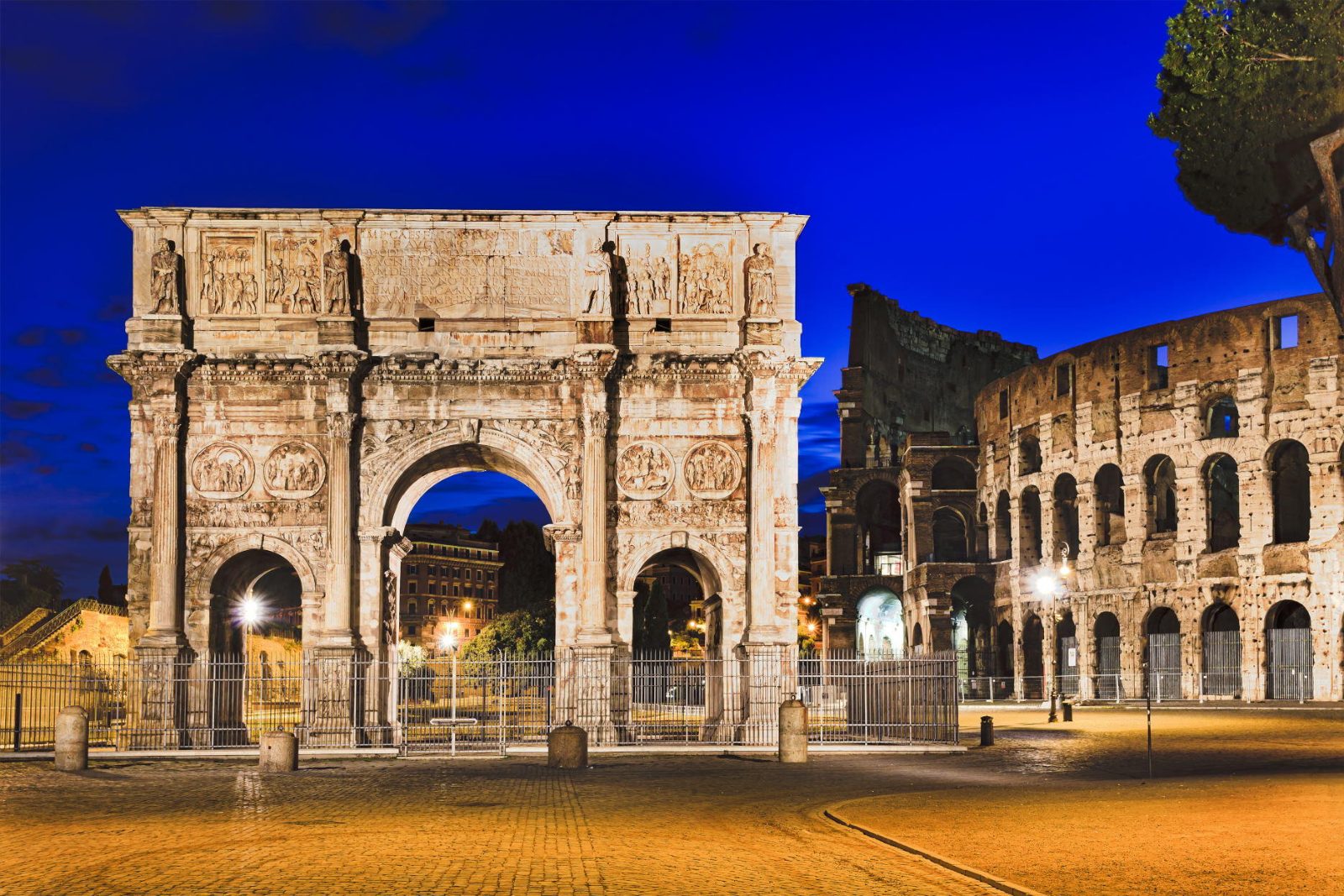
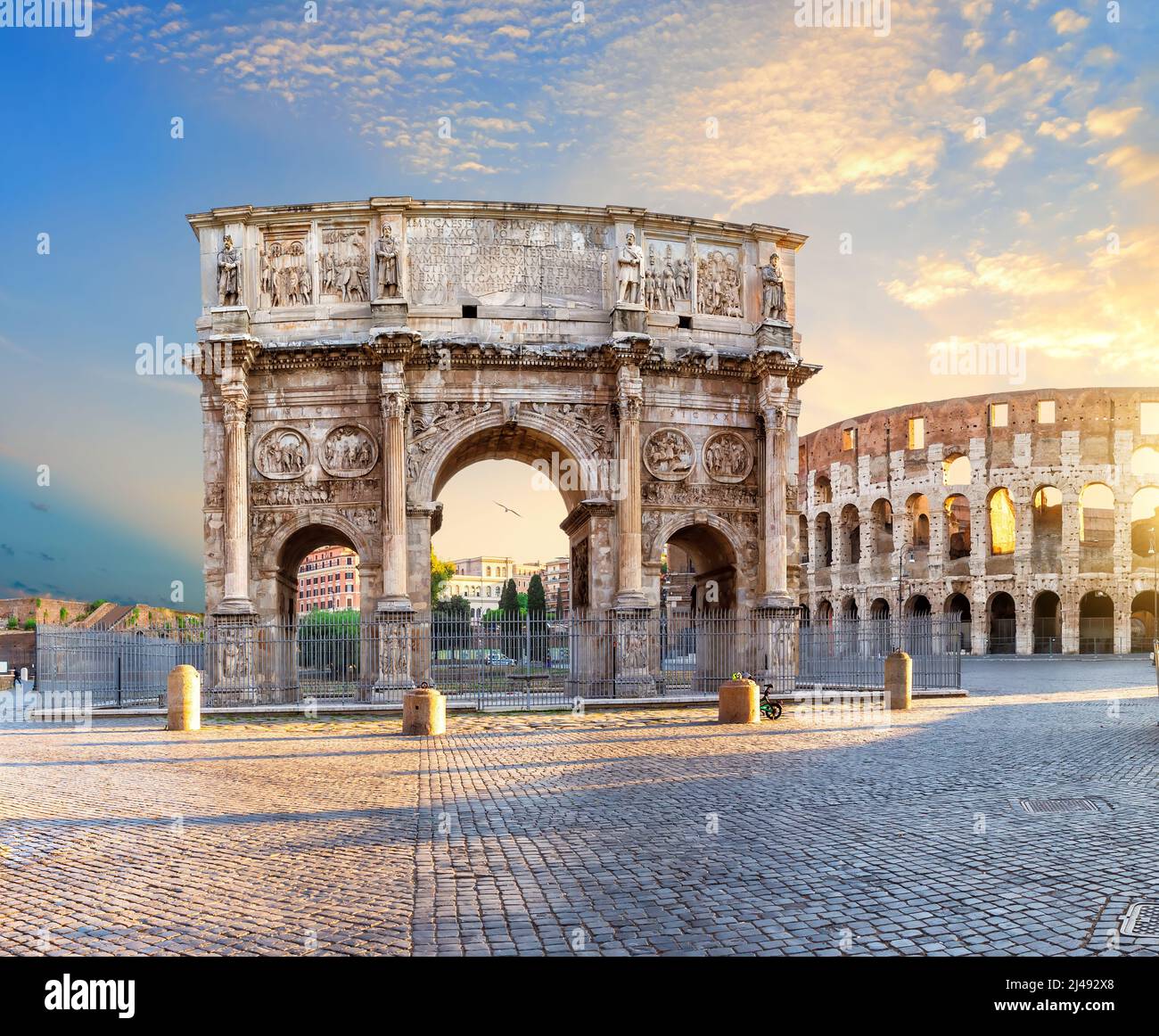
A well-preserved 4th-century triumphal arch standing between the Colosseum and Palatine Hill, commemorating Constantine's victory at the Milvian Bridge. Its reliefs recycle sculpture from earlier monuments of Trajan, Hadrian, and Marcus Aurelius.
The political and religious heart of ancient Rome, packed with temple ruins, triumphal arches, and the remains of the Senate House. It sits directly alongside the Colosseum along the Via Sacra.
One of Rome's seven hills and the traditional birthplace of the city, home to the ruins of imperial palaces overlooking the Circus Maximus. Wide terraces here offer panoramic views over the Forum below.
The excavated remains of Emperor Nero's lavish palace complex, now open for limited guided tours through frescoed underground halls. It lies just north of the Colosseum on the Oppian Hill.
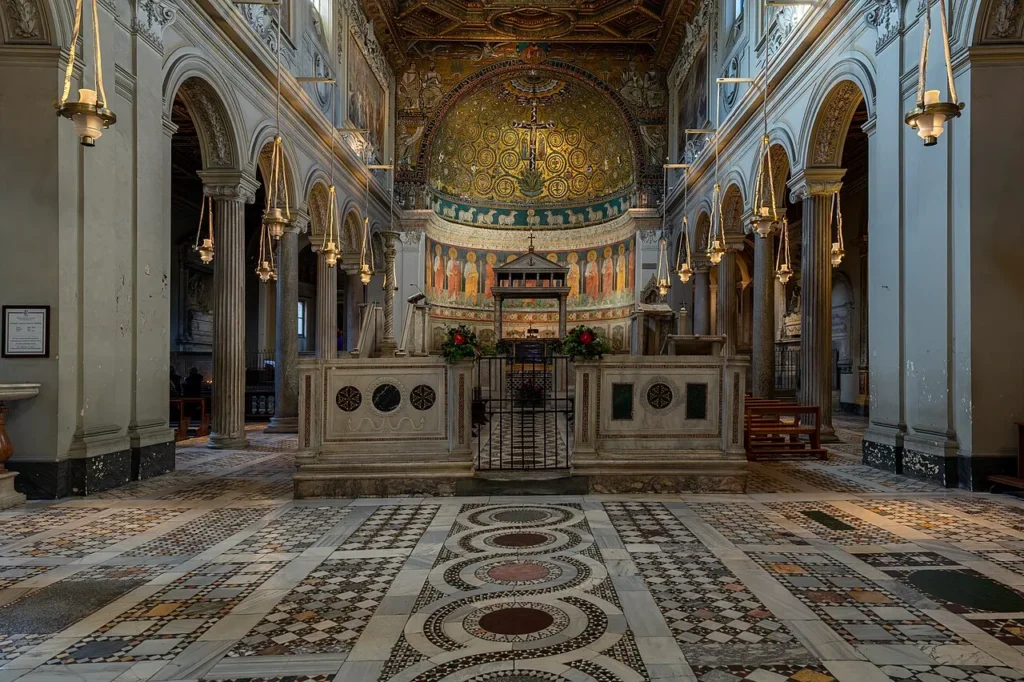
A three-layered church complex stacking a 12th-century basilica over a 4th-century church and a 1st-century Mithraic temple. Excavated levels beneath the current structure can be visited separately.
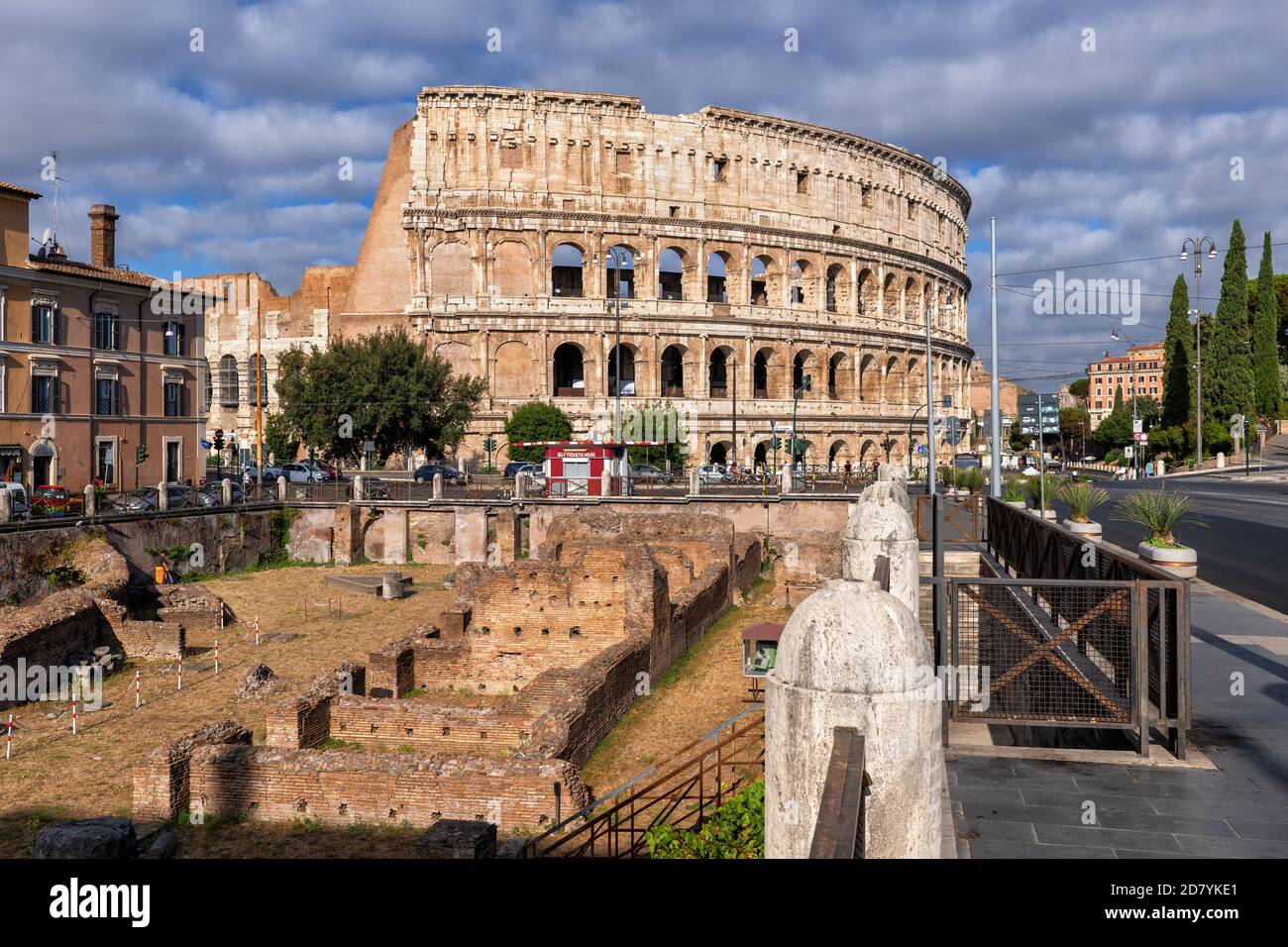
The remains of ancient Rome's largest gladiator training school, connected to the Colosseum by an underground passage. Visible ruins include a small oval training arena and surrounding barracks foundations.
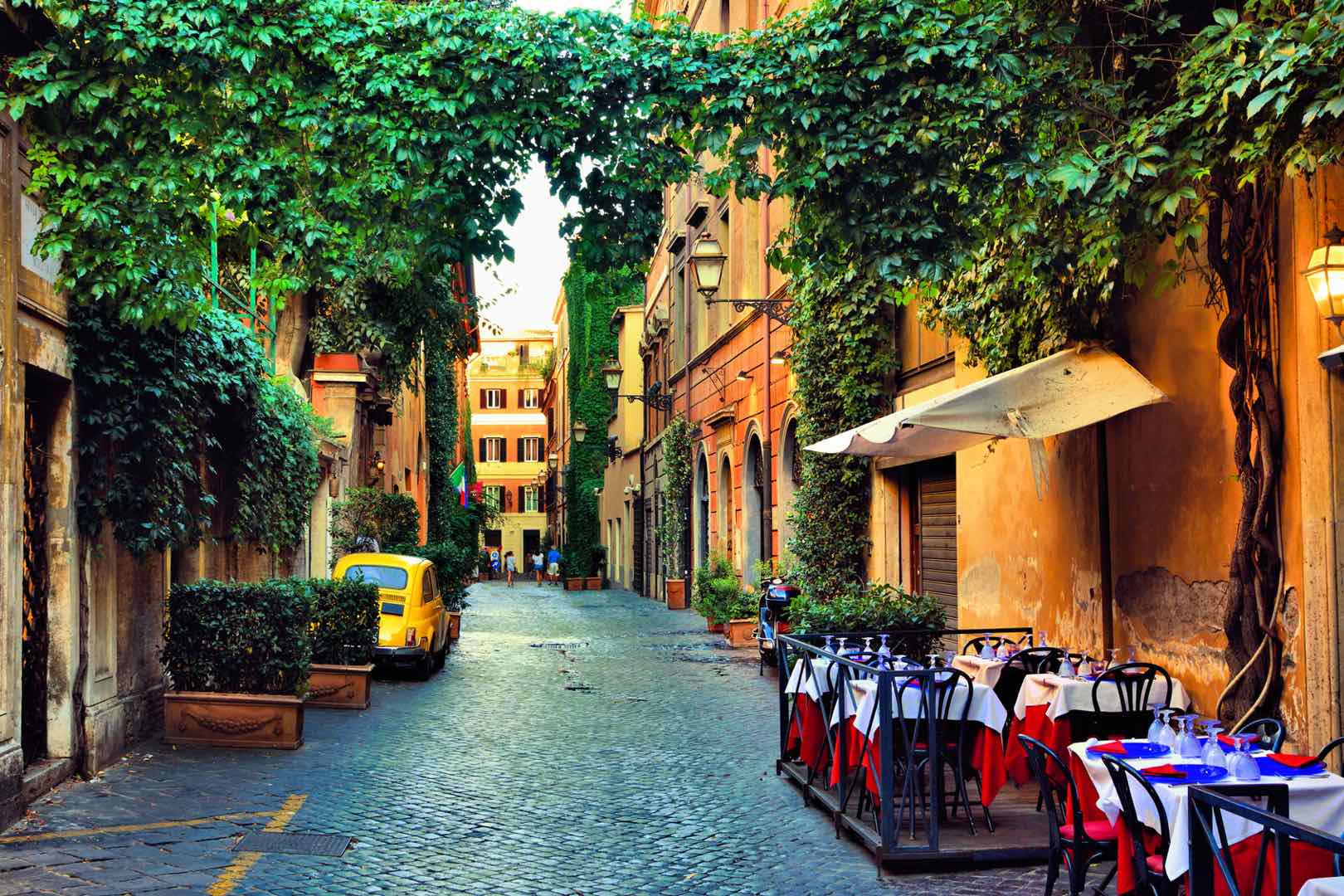
A bohemian neighborhood of narrow lanes, vintage shops, and trattorias just north of the Colosseum, popular for boutique stays.
A quieter, leafy residential area south of the Colosseum with mid-range hotels and easy access to Circus Maximus.
A high-end hotel with a rooftop restaurant offering direct views of the Colosseum's exterior walls.
A small design-focused hotel near the Baths of Caracalla with themed rooms drawing on Roman art history.
Join thousands of happy travelers who have discovered this incredible experience
Book Your Experience Now